Physical Address
304 North Cardinal St.
Dorchester Center, MA 02124
Physical Address
304 North Cardinal St.
Dorchester Center, MA 02124
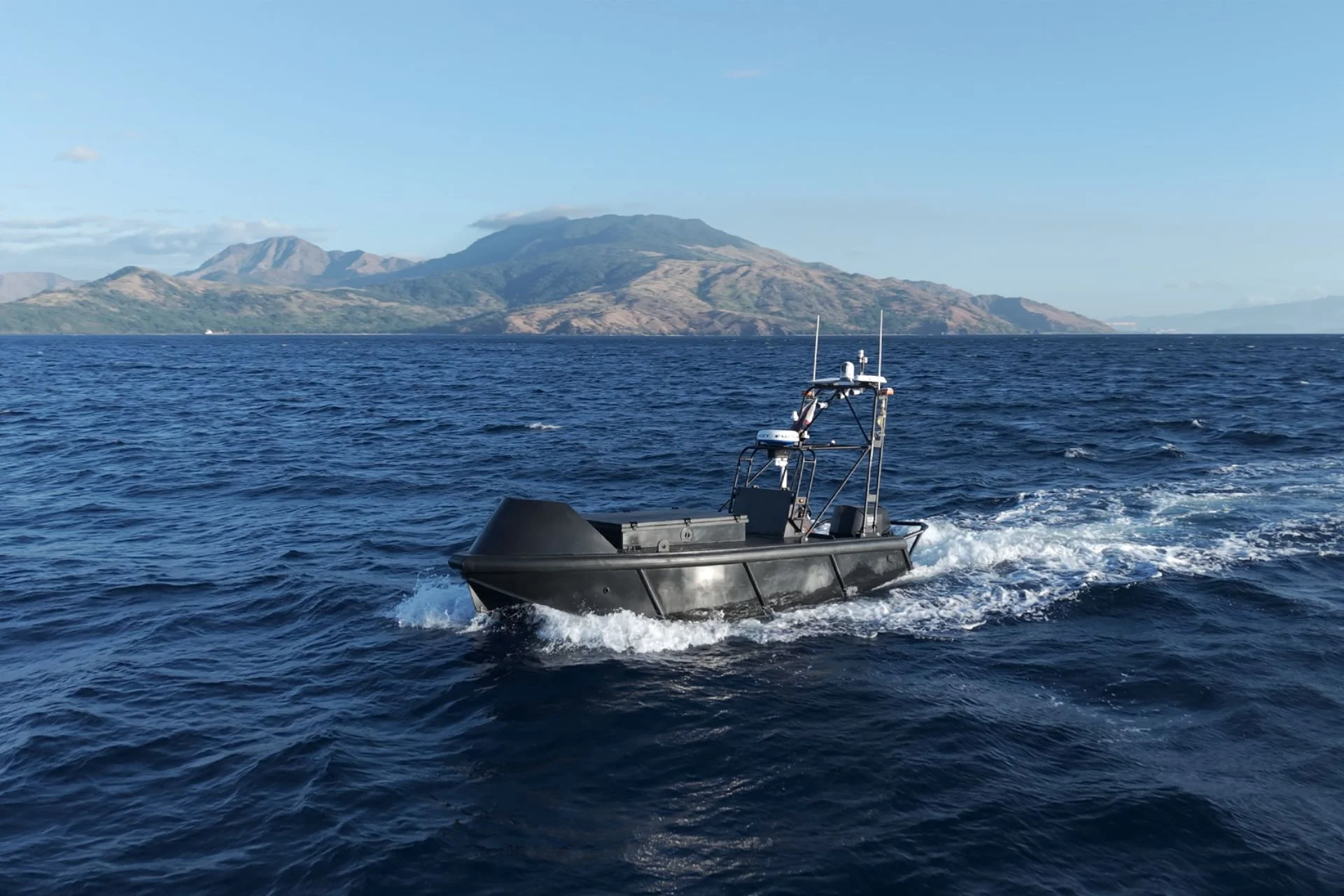
Military Sentinel, Tampa – U.S. Special Operations Forces (SOF) have established a five-year contract with Boston-based Sea Machines Robotics to field drop-in autonomy kits that rapidly transform commercial and partner-nation vessels into autonomous surface platforms.
The five-year Indefinite Delivery Indefinite Quantity (IDIQ) agreement allows operators to deploy mature, non-developmental Technology Readiness Level 9 (TRL 9) hardware and software across diverse operational theaters. By divorcing autonomous control systems from purpose-built hulls, SOCOM aims to scale maritime unmanned capability without the logistical burden of transporting dedicated drone vessels into remote littoral environments.
At the center of the procurement is the SM300-SP autonomy package, which combines marine-grade computing hardware with the proprietary TALOS software suite. The system acts as a hull-agnostic autonomy overlay, interfacing directly with existing vessel throttles, steering actuators, and onboard electrical systems.
Sensor Integration: Fuses inputs from Global Navigation Satellite Systems (GNSS), Inertial Measurement Units (IMU), marine radar, Automatic Identification System (AIS), echo sounders, and optical cameras.
Navigation & Autonomy: Provides computer-vision-assisted collision avoidance, dynamic route replanning, and autonomous obstacle navigation compliant with international maritime collision regulations.
Command & Control: Offers encrypted line-of-sight and over-the-horizon satellite data link control, providing human-on-the-loop oversight or full autonomous waypoint execution.
The contract marks a significant evolution from the military’s established unmanned surface vessel (USV) procurement models. Existing defense initiatives typically field dedicated, purpose-built platforms—such as the high-speed MARTAC T-38 Devil Ray, long-endurance Saildrone Explorer, and DARPA-derived Sea Hunter medium USVs.
While specialized craft provide optimized hull forms for speed or multi-month endurance, they require significant strategic lift assets to deploy globally. In contrast, the Sea Machines modular architecture allows forward-deployed units to acquire, commandeer, or lease “vessels of opportunity”—ranging from local fishing dhows and rigid-hull inflatable boats (RHIBs) to commercial workboats—and convert them into functional unmanned platforms within hours.
For naval special warfare and expeditionary operators, converted autonomous craft unlock several high-risk mission profiles:
Expeditionary Logistics: Autonomous resupply runs delivering ammunition, fuel, and medical gear to isolated units along contested coastlines.
Littoral ISR & Screening: Extending forward sensor horizons and screening chokepoints without risking crewed interdiction craft.
Deception & Counter-Targeting: Presenting non-standard radar and visual signatures that blend into local commercial traffic, complicating adversary domain awareness and targeting cycles.
As defense planners prepare for distributed maritime operations in the Indo-Pacific and Baltic littorals, the operational center of gravity is shifting from capital hulls toward interchangeable software and modular sensor payloads.

James Whitfield is a defense news writer at Military Sentinel, covering military technology, naval operations, military aviation, international security, and global defense developments. His work focuses on providing informative reporting, relevant context, and accessible explanations of modern military affairs and emerging defense technologies.
Contact: [email protected]