Physical Address
304 North Cardinal St.
Dorchester Center, MA 02124
Physical Address
304 North Cardinal St.
Dorchester Center, MA 02124

Military Sentinel, Philadelphia – Hanwha Philly Shipyard has been selected to construct the United States Navy’s new class of amphibious warfare vessels, marking a significant expansion in domestic naval shipbuilding capacity. The decision brings major commercial backing to a critical procurement program designed to address the service’s evolving littoral warfare requirements.
The agreement integrates private industrial capability with naval modernization goals. It comes as military leaders push to diversify production nodes beyond traditional shipbuilders.
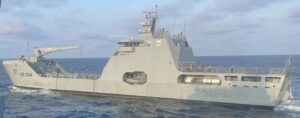
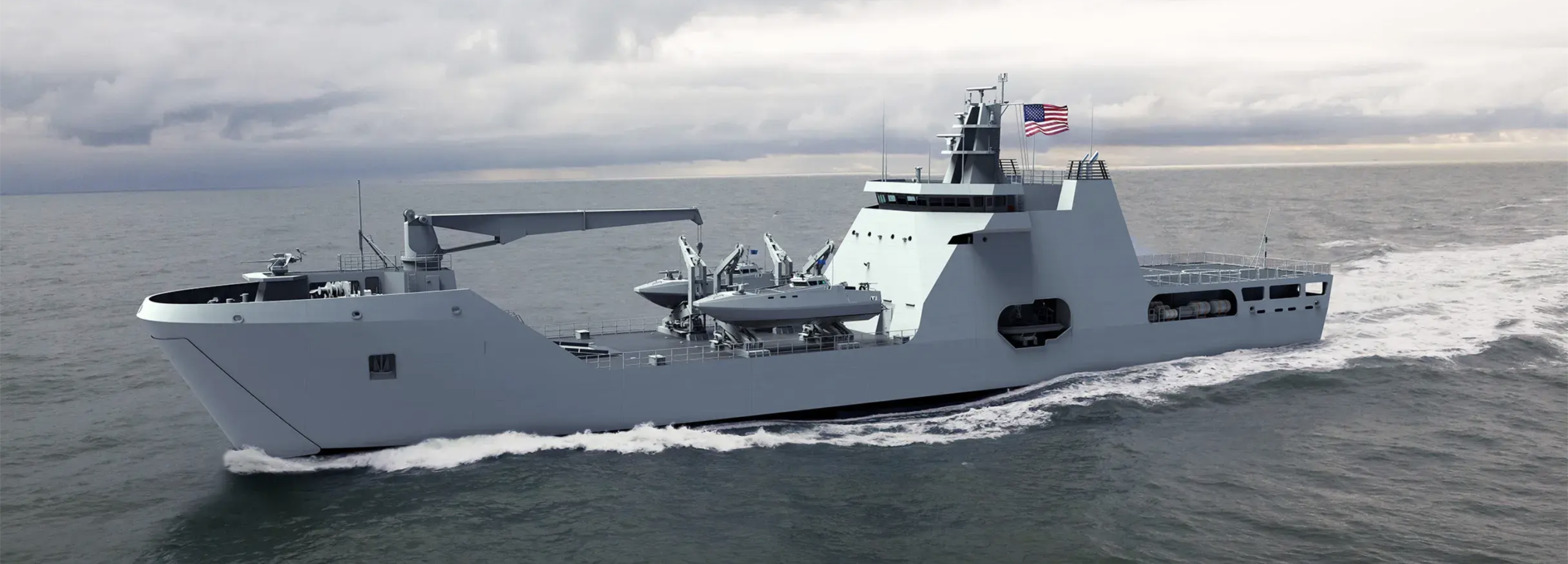
The contract positions the Philadelphia facility as a central hub for constructing the Landing Ship Medium (LSM) program, previously known as the Light Amphibious Warship. The Navy designed the LSM project to provide small, agile transport vessels capable of moving Marine Corps units across contested island chains and archipelagos.
Hanwha’s recent acquisition of the former Philly Shipyard injected vital capital and modernized manufacturing workflows into the East Coast facility. This industrial backing factored heavily into the Navy’s calculations, as defense planners seek reliable shipyards capable of meeting strict delivery timelines without straining legacy defense primes.
The Landing Ship Medium class bridges a crucial capability gap between larger amphibious assault ships and tactical utility watercraft. Measuring roughly 200 to 400 feet in length, these vessels are engineered to operate independently in shallow coastal waters, river deltas, and undeveloped shores where major amphibious ships cannot safely venture.
Designed primarily to support Marine Littoral Regiments, the LSM features a robust bow ramp for rapid beach landings, extensive cargo deck space for vehicles and equipment, and defensive self-defense weapon systems. Unlike traditional amphibious platforms that rely heavily on dedicated well decks and large flight operations infrastructure, the LSM prioritizes distributed logistics, simplicity, and low-signature operations to evade modern anti-access/area-denial threats.
The LSM initiative emerged from the Marine Corps’ broader Force Design restructuring, which emphasizes nimble, dispersed units capable of operating inside adversary missile threat rings. Previous iterations of the program faced debate over hull specifications, survivability standards, and cost projections.
By settling on a standardized production baseline and awarding construction to commercial-leaning yards, the Navy aims to avoid the chronic schedule overruns that have plagued major surface combatant programs. The inclusion of Hanwha Philly Shipyard diversifies the nation’s shipbuilding industrial base, mitigating single-source vulnerabilities.
The partnership underscores a broader shift toward commercial defense integration, allowing the Navy to leverage commercial shipbuilding efficiencies for secondary combatant and auxiliary vessels.
The success of the Philadelphia yard in executing this contract will likely serve as a benchmark for future non-traditional defense acquisitions. If production milestones are met on schedule, the LSM program could pave the way for additional auxiliary and logistics vessel contracts awarded to commercial shipbuilders.
Future milestones will hinge on steel-cutting ceremonies, detailed design reviews, and the finalization of long-lead material procurement schedules. Naval officials and shipyard representatives will monitor labor force readiness and supply chain stability as the program transitions from initial engineering phases to active hull fabrication.

James Whitfield is a defense news writer at Military Sentinel, covering military technology, naval operations, military aviation, international security, and global defense developments. His work focuses on providing informative reporting, relevant context, and accessible explanations of modern military affairs and emerging defense technologies.
Contact: [email protected]