Physical Address
304 North Cardinal St.
Dorchester Center, MA 02124
Physical Address
304 North Cardinal St.
Dorchester Center, MA 02124

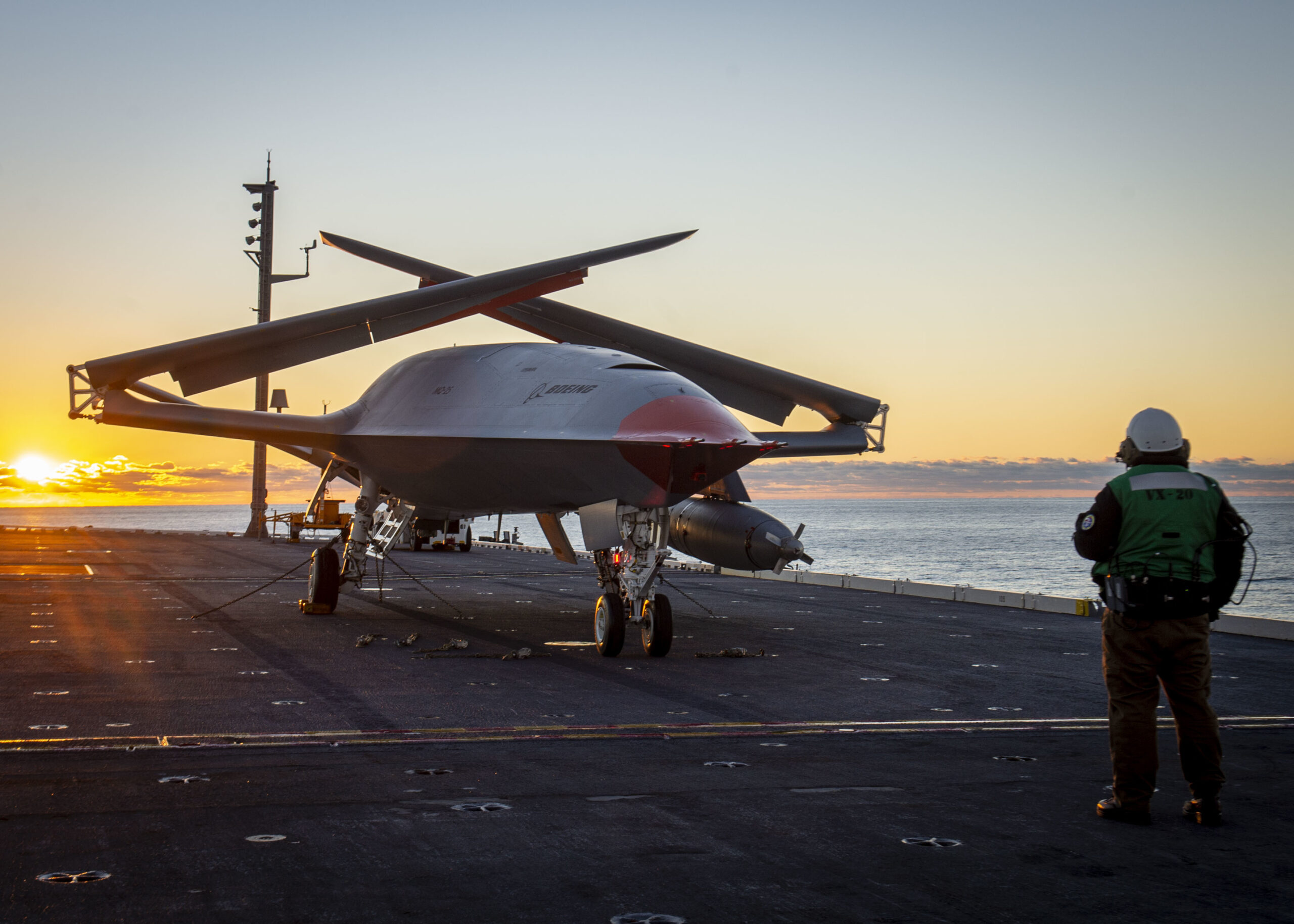
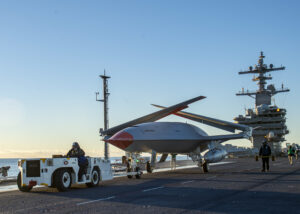
Military Sentinel, Washington – The U.S. Navy has completed the integration of command-and-control infrastructure for the MQ-25A Stingray unmanned aerial refueler aboard the nuclear-powered aircraft carrier USS Ronald Reagan (CVN 76), marking a key milestone for carrier aviation.
The completion of the installation establishes the carrier as the second fleet vessel outfitted to command and operate the Boeing-built drone tanker. The integration effort advances the Navy’s broader transition toward incorporating autonomous aircraft into carrier air wings, aiming to extend strike ranges and alleviate operational burdens on crewed tactical jets.
Infrastructure Integration and Shipboard Updates
The integration work aboard the Nimitz-class carrier was performed during a 17-month maintenance overhaul. Technicians installed the necessary hardware and software, including the Unmanned Air Warfare Center (UAWC) infrastructure and the MD-5C ground control station components required by operators to pilot and monitor the aircraft at sea.
The USS Ronald Reagan follows the USS Theodore Roosevelt (CVN 71), which received the initial operational installation of the MQ-25 control suite earlier. Program officials noted that integrating the full suite of shipboard modifications concurrently during major maintenance availability streamlines the fleet introduction process, preparing the vessel for subsequent pier-side and at-sea testing phases.
Extending Carrier Air Wing Reach
Developed by Boeing under the Unmanned Carrier Aviation program managed by PMA-268, the MQ-25A Stingray is designed to serve primarily as a carrier-based aerial refueling tanker. By taking over the tanking mission currently handled by F/A-18E/F Super Hornets, the autonomous drone is intended to preserve airframe lifespan and free up multirole fighters for core strike and air-defense missions.
The aircraft is engineered to transfer substantial fuel loads at extended operational radii from the carrier deck. This capability is expected to counter the growing combat radius challenges associated with modern anti-access/area-denial threats, allowing carrier strike groups to project power from safer distances.
Program Timeline and Fleet Integration
While infrastructure installation progresses across select flight deck carriers, the broader timeline for the platform continues to evolve. Defense acquisition reports have indicated that the initial operational capability target for the MQ-25 system may extend toward late decade milestones as engineers refine software, deck-handling procedures, and autonomous integration protocols.
The command systems installed on the USS Ronald Reagan and its predecessor establish a technical blueprint for future uncrewed platforms slated for integration into the U.S. Navy’s Air Wing of the Future. Subsequent evaluations will focus on validating system reliability, deck-handling safety, and interoperability between carrier air traffic control and the unmanned ground control stations.

James Whitfield is a defense news writer at Military Sentinel, covering military technology, naval operations, military aviation, international security, and global defense developments. His work focuses on providing informative reporting, relevant context, and accessible explanations of modern military affairs and emerging defense technologies.
Contact: [email protected]