Physical Address
304 North Cardinal St.
Dorchester Center, MA 02124
Physical Address
304 North Cardinal St.
Dorchester Center, MA 02124

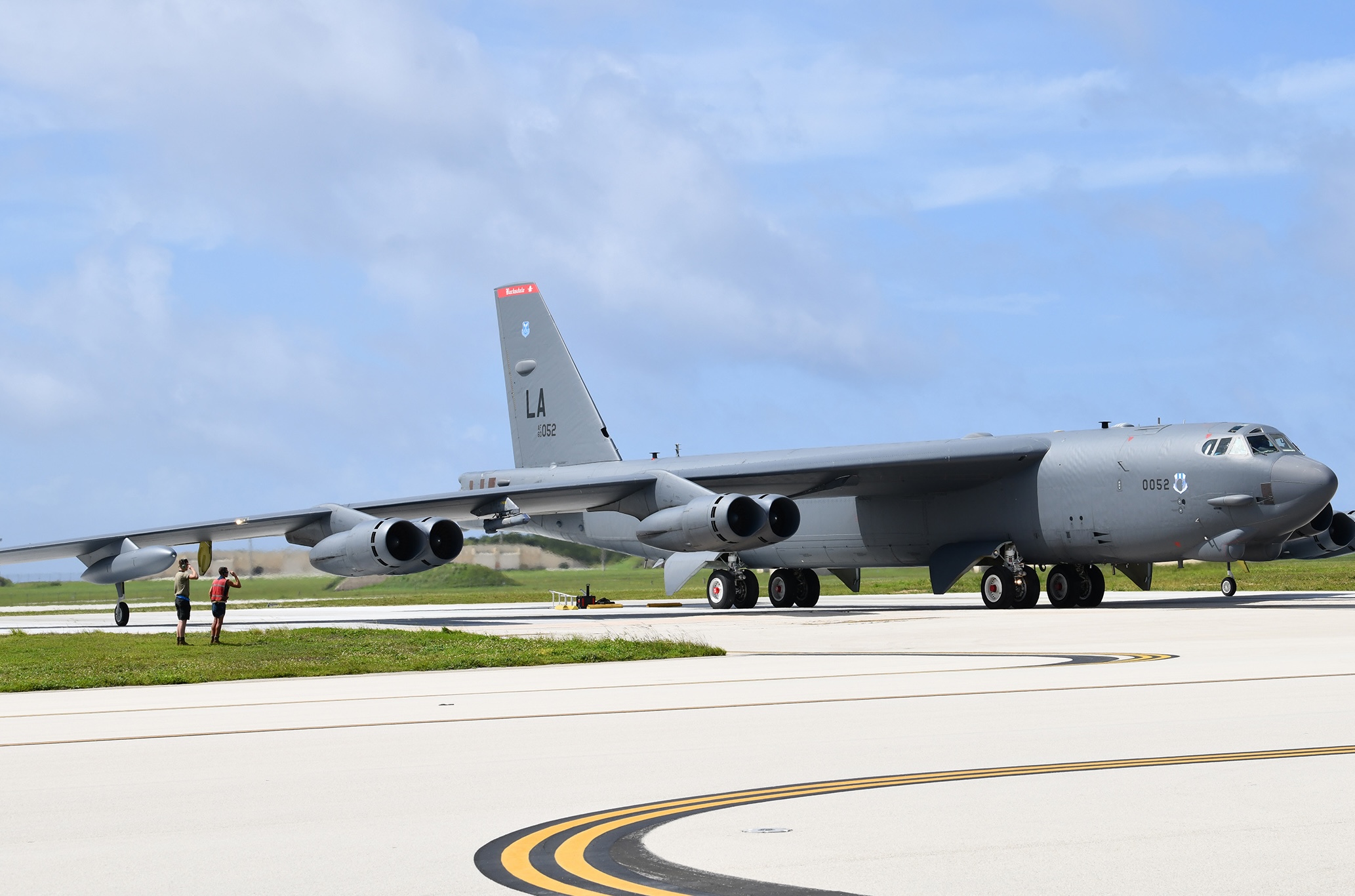
Military Sentinel, Washington – The U.S. Air Force has increased the number of deployable B-52 Stratofortress aircraft by nearly 40% under an enterprise-wide sustainment push dubbed the North Star Readiness Campaign, providing combatant commanders with critical long-range strike capacity while bridging the gap to next-generation platforms.
Gen. S.L. Davis, commander of Air Force Global Strike Command (AFGSC), disclosed the operational recovery figures during the Air and Space Forces Association’s Air, Space & Cyber Conference. The initiative, formally launched in mid-2025, targets chronic flight-line bottlenecks, spare-parts deficits, and depot turnaround friction across the legacy bomber fleet.
Rather than treating low mission-capable rates solely as airfield maintenance problems, the North Star campaign connects AFGSC operational units with Air Force Materiel Command (AFMC) and the Defense Logistics Agency (DLA).
The primary mechanism relies on daily cross-functional aircraft-on-ground panels designed to cut administrative wait times for replacement parts. Lateral component shipments that routinely dragged on for over a week have been compressed to two to three days, while squadrons have implemented standardized maintenance playbooks to accelerate repairs without violating safety protocols.
The logistical improvements extend across the conventional bomber inventory:
B-52 availability: Rose by nearly 40% in ready-to-fly capacity.
B-1B Lancer parts shortages: Mission-impacting parts problems (MICAPs) plunged from over 450 down to approximately 160.
Depot throughput: Streamlined engineering disposition processes between depot facilities and active-duty bomb wings.
The availability gains arrive as AFGSC manages severe force-structure friction. The B-52 fleet averages roughly 65 years of age, with the newest airframe delivered in 1962. Concurrently, the fleet is entering its massive B-52J modernization effort featuring Rolls-Royce F130 turbofans under the Commercial Engine Replacement Program and Raytheon AN/APQ-188 active electronically scanned array (AESA) radars.
Because active bombers must cycle out of service for multi-year modification lines and depot inductions, baseline fleet readiness directly dictates how many airframes remain available for routine Bomber Task Force deployments and strategic nuclear deterrence commitments.
Sustaining conventional B-1B Lancers and dual-capable B-52H airframes also prevents operational shortfalls while the Northrop Grumman B-21 Raider advances through low-rate initial production.
While the Air Force has celebrated the percentage leap, service watchdogs note that top-line mission-capable metrics remain historically strained [source: 1.2.2]. Sustaining this momentum will depend heavily on whether commercial suppliers can meet recurring part demands once modernized B-52J testing ramps up, or if the aging heavy bombers will face renewed maintenance backlogs as flight hours mount.

James Whitfield is a defense news writer at Military Sentinel, covering military technology, naval operations, military aviation, international security, and global defense developments. His work focuses on providing informative reporting, relevant context, and accessible explanations of modern military affairs and emerging defense technologies.
Contact: [email protected]