Physical Address
304 North Cardinal St.
Dorchester Center, MA 02124
Physical Address
304 North Cardinal St.
Dorchester Center, MA 02124

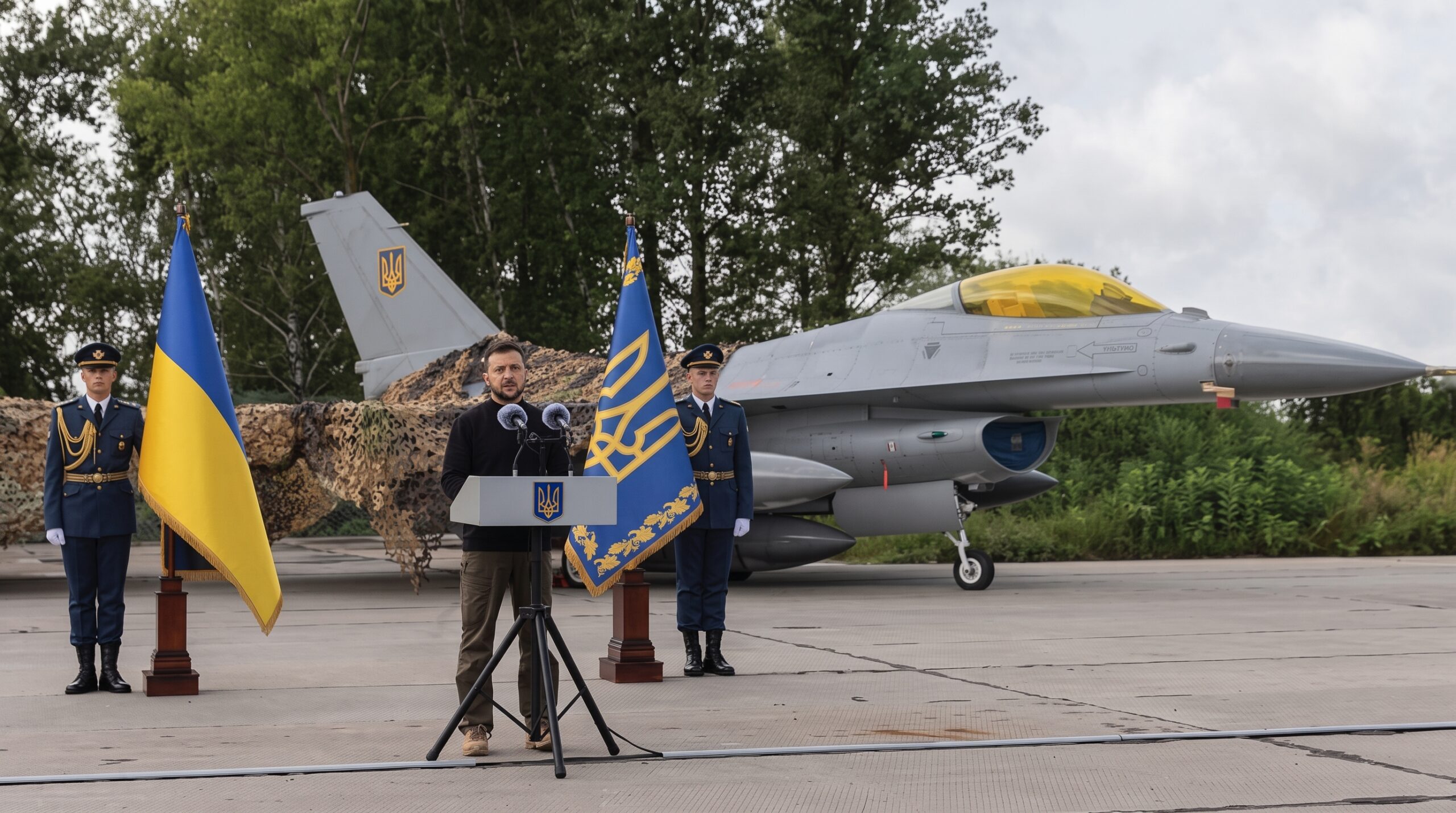
Military Sentinel, Kyiv – Ukraine’s donated fleet of F-16 Fighting Falcon fighter jets is grappling with a severe operational readiness crisis, with reports indicating that more than half of the aging aircraft are currently grounded. The strain on the airframes, combined with critical shortages of Western air-to-air missiles, highlights the immense logistical hurdles facing the Ukrainian Air Force as it attempts to maintain an effective air defense network.
The growing crisis comes at a delicate time for the service, which relies heavily on Western-supplied fighters to intercept incoming Russian cruise missiles and jet-powered attack drones. While donor nations continue to pledge incremental airframe transfers, the daily reality of keeping legacy platforms combat-compatible under intense wartime pressure has exposed deep structural vulnerabilities in maintenance and supply chains.
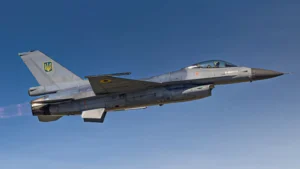
The core of the readiness challenge lies in the age and condition of the donated F-16s. Most of the aircraft transferred by European partner nations are legacy Block variants that have accumulated decades of operational hours, averaging roughly forty years of service life. These airframes require intensive depot-level maintenance, specialized structural inspections, and component replacements far more frequently than newer-generation platforms.
Because Ukraine lacks the domestic defense infrastructure required to perform heavy structural overhauls on Western tactical jets, damaged or high-hour aircraft must be periodically shipped back to facilities in Europe for depot maintenance. These maintenance cycles take months to complete, creating a bottleneck that removes a substantial portion of the operational fleet from the theater at any given time. Logistics pipelines must account for complex spare parts supply chains, ranging from avionics components to specialized structural fasteners, which are tightly regulated and slow to replenish.
Compounding the maintenance backlog is a critical shortage of air-to-air munitions. Ukrainian F-16s rely on Western-supplied inventories, including AIM-120 Advanced Medium-Range Air-to-Air Missiles (AMRAAM) and AIM-9 Sidewinder heat-seeking missiles, to execute interception missions. However, heavy consumption rates in Ukraine, alongside competing global demands and active stockpiling requirements in the United States and Europe, have severely strained available missile supplies.
Air defense commanders must carefully ration interceptors, tracking shipments closely as Russian forces sustain large-scale aerial bombardments utilizing drones and cruise missiles. When fighter crews are forced to restrict sortie rates due to dwindling missile inventories, the strategic value of the platform diminishes, leaving critical gaps in regional air defense umbrellas. Furthermore, competition for limited stockpiles affects ground-based systems like NASAMS and Patriot, which draw from overlapping inventories of radar-guided interceptors.
Despite these pressures, the surviving operational F-16s play a vital role in intercepting incoming aerial threats, particularly jet-powered variants of loitering munitions that demand high-speed interception capabilities. Pilots and ground crews have adapted to the rigorous maintenance demands, working alongside Western contractors and advisors stationed outside the country to streamline troubleshooting procedures.
However, defense analysts note that the small number of deployable aircraft limits tactical flexibility. Rather than operating as a sweeping offensive air superiority force, the fleet functions as a point-defense asset. The ultimate effectiveness of the program depends less on the total number of airframes promised by international partners and more on the sustained capacity to service, arm, and launch them on a daily basis.
As European nations such as Belgium prepare to deliver additional aircraft, the focus of international military assistance is shifting toward establishing more resilient domestic maintenance hubs, expanding technical training pipelines for local engineers, and securing predictable munitions supplies to stabilize the fleet’s operational readiness.

James Whitfield is a defense news writer at Military Sentinel, covering military technology, naval operations, military aviation, international security, and global defense developments. His work focuses on providing informative reporting, relevant context, and accessible explanations of modern military affairs and emerging defense technologies.
Contact: [email protected]