Physical Address
304 North Cardinal St.
Dorchester Center, MA 02124
Physical Address
304 North Cardinal St.
Dorchester Center, MA 02124

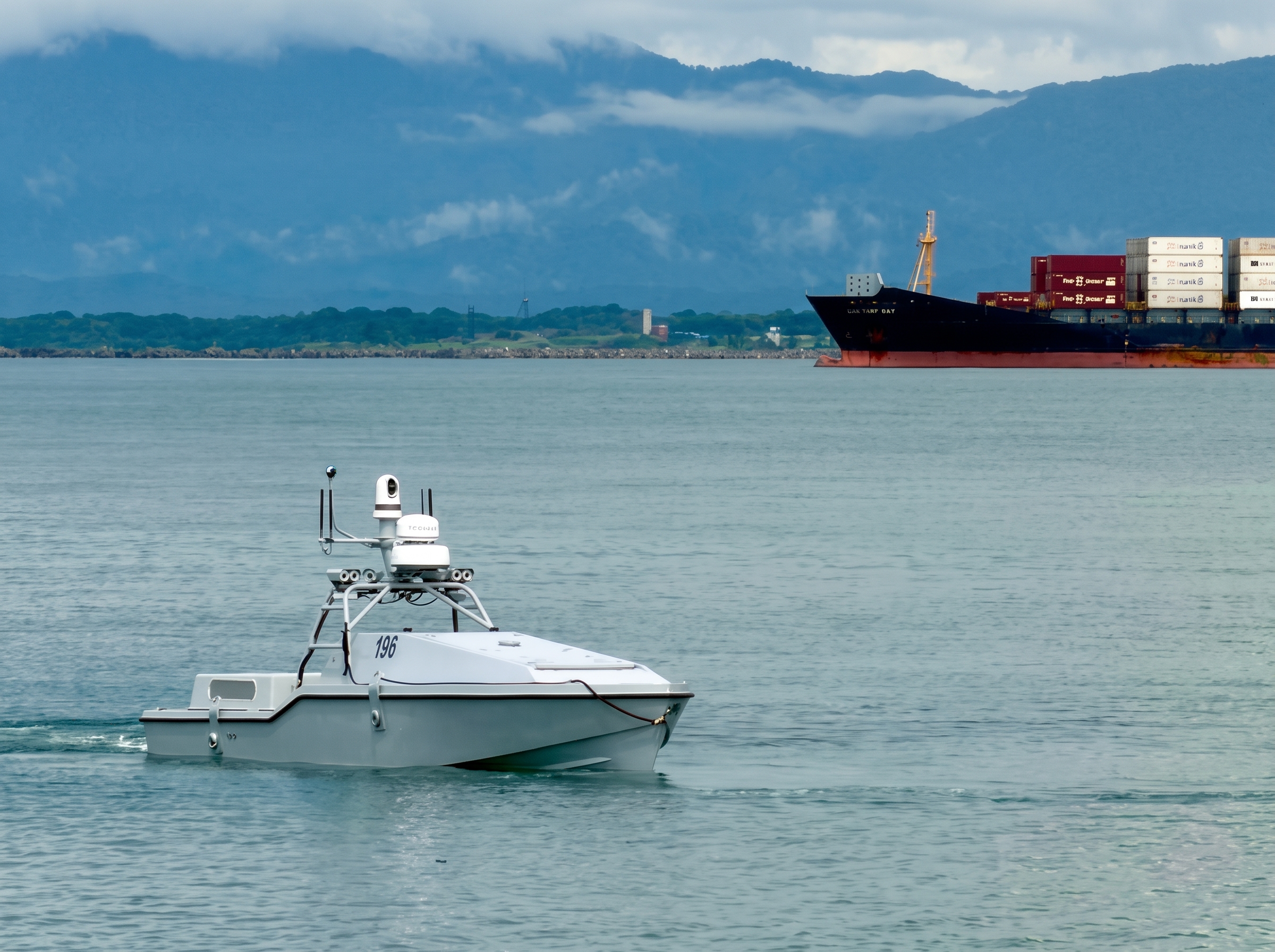
Military Sentinel, Washington – The United States Southern Command has deployed Corsair autonomous surface vessels to expand persistent maritime surveillance and security operations around the approaches to the Panama Canal. The initiative highlights a growing operational reliance on uncrewed systems to safeguard critical global chokepoints and counter illicit trafficking networks across the Western Hemisphere.
Operated in coordination with local maritime forces, the deployment aims to bolster maritime domain awareness across complex coastal corridors without requiring an increase in crewed vessel deployments.
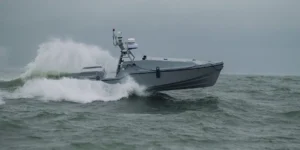
The deployment builds upon operational evaluations conducted during regional military exercises, where partner forces assessed the performance of uncrewed platforms in littoral environments. U.S. and Panamanian defense officials noted that autonomous platforms provide an effective layer of persistent surveillance, particularly in areas vulnerable to transnational criminal organizations and narcotics trafficking.
Rather than replacing sovereign security forces, the Corsair vessels function as force multipliers that feed real-time sensor data back to human commanders. This framework allows regional navies and coast guards to optimize the deployment of traditional patrol craft, conserving high-value crewed assets for situations that demand direct boardings or kinetic responses.
The Corsair autonomous surface vessel is designed for flexible modular integration, allowing operators to configure payloads based on specific mission requirements ranging from intelligence, surveillance, and reconnaissance (ISR) to specialized patrol tasks. Its advanced navigation architecture enables autonomous line-of-sight tracking and long-range sensor relay in congested littoral waters.
By operating independently or alongside crewed patrol boats, the platform extends the operational reach of naval forces while reducing personnel exposure in high-risk maritime sectors. The system’s endurance allows for continuous monitoring of maritime approaches that would otherwise demand intensive rotation schedules for traditional crews.
The integration of uncrewed surface vehicles near the Panama Canal marks a significant milestone in the operational adoption of maritime autonomy for critical infrastructure protection. Security planners are utilizing the deployment to evaluate how similar autonomous architectures can operate safely alongside heavy commercial shipping traffic.
As regional security partnerships evolve, successful trials of platforms like the Corsair are expected to pave the way for wider integration of autonomous systems in choke points worldwide, reshaping how maritime authorities secure vital trade lanes against asymmetric threats.

James Whitfield is a defense news writer at Military Sentinel, covering military technology, naval operations, military aviation, international security, and global defense developments. His work focuses on providing informative reporting, relevant context, and accessible explanations of modern military affairs and emerging defense technologies.
Contact: [email protected]