Physical Address
304 North Cardinal St.
Dorchester Center, MA 02124
Physical Address
304 North Cardinal St.
Dorchester Center, MA 02124

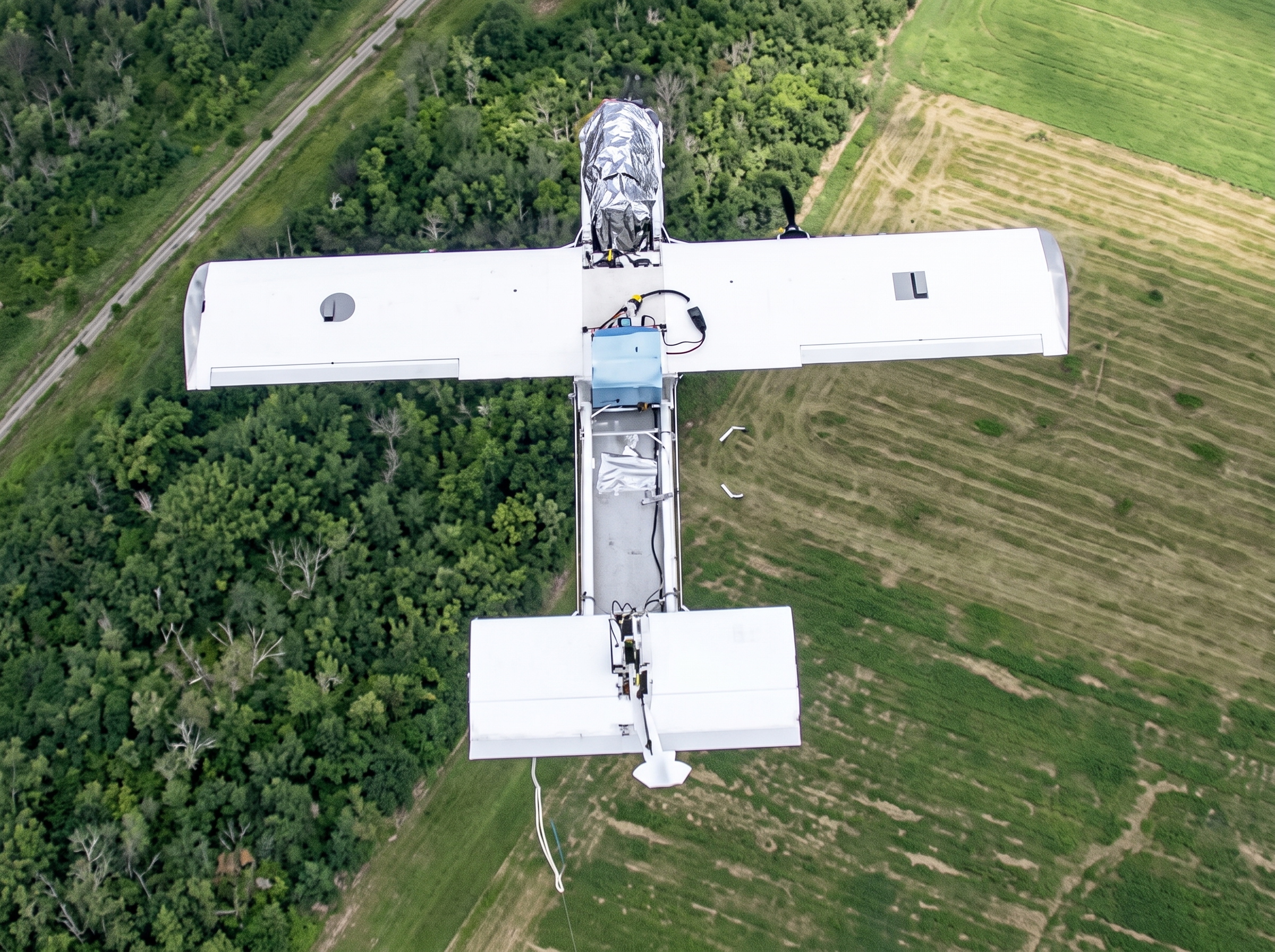
Military Sentinel, Kyiv – Russian forces have begun experimenting with modified Molniya strike drones to deliver weapons, ammunition, and rations to frontline positions, adapting a low-cost attack platform into an unmanned courier system amid pervasive tactical surveillance and interdiction.
The development surfaced through aerial reconnaissance footage released by the Sunstrike unmanned aerial systems unit of Ukraine’s 82nd Separate Air Assault Brigade. The video records several modified fixed-wing airframes transporting non-explosive tactical cargo across contested airspace. In one observed flight, an assault rifle was mounted to the underside of the fuselage; in another, the aircraft transported a packaged parcel containing field supplies directly toward forward positions.
According to Ukrainian defense analysis outlet Militarnyi, the field conversions suggest Russian units are attempting to circumvent lethal “kill zones” that make conventional ground resupply nearly impossible. By utilizing an expendable, fixed-wing platform as a tactical transport system, troops can bypass direct artillery fire, sniper oversight, and loitering FPV drone teams during final-stage delivery runs.
The shift highlights a pressing challenge on the modern battlefield: extreme vulnerability in the “last-mile” logistical chain. Transporting supplies using light utility vehicles, unarmored trucks, or foot patrols across active sectors has become hazardous due to constant drone surveillance.
Converting one-way strike aircraft into resupply platforms allows operators to push small, critical payloads—such as specialized ammunition, communications batteries, plasma, or dry rations—into isolated trenches. While multi-rotor drones have widely performed battlefield drops throughout the war, the fixed-wing Molniya offers superior operational range and higher transit speeds, enabling deliveries deeper behind forward positions.
However, analysts caution that the capability remains in an experimental phase. Militarnyi emphasized that there is currently no indication that Russian forces have adopted Molniya-based logistics on an industrial scale or standardized it across military districts.
The tactical trials come as both combatants expand autonomous systems to sustain contested positions while simultaneously severing adversary supply lines. Russian forces have intensified efforts to close operational capability gaps between low-cost loitering munitions and long-range, heavy systems such as the Shahed-136 series.
Converting strike assets into flying couriers demonstrates how rapidly dual-use and low-cost strike technologies can blur operational lines. If Russian formations standardize fixed-wing supply operations, forward-deployed units could sustain defensive pockets longer without risking transport vehicles.
Conversely, relying on fixed-wing drones for small logistical payloads presents trade-offs, including low payload efficiency per sortie and the loss of platforms typically intended for kinetic strikes. Western and Ukrainian intelligence will be watching closely to see whether this improvisation remains an ad-hoc frontline experiment or signals a broader shift toward autonomous battlefield resupply.