Physical Address
304 North Cardinal St.
Dorchester Center, MA 02124
Physical Address
304 North Cardinal St.
Dorchester Center, MA 02124
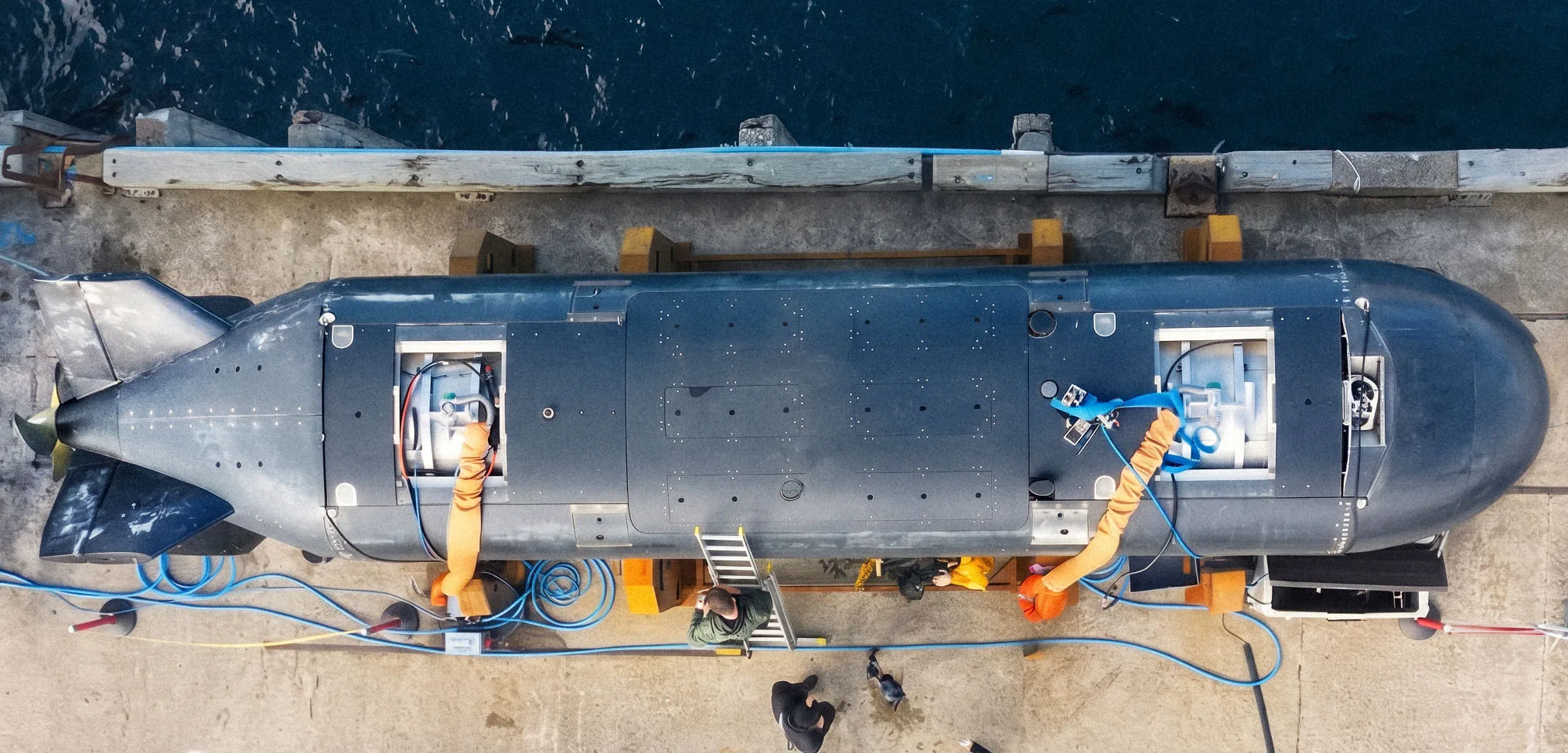
Military Sentinel, London – The Royal Navy has initiated formal preliminary market engagement for its upcoming Type 93 “Chariot” Extra-Large Uncrewed Underwater Vehicle (XLUUV) acquisition programme. The outreach invites defense contractors and technology providers to submit proposals covering potential platform designs, modular payloads, and critical supporting systems.
This step marks a key operational progression for the United Kingdom’s maritime forces as they expand autonomous capabilities. The Type 93 initiative sits at the center of a wider institutional shift toward a modern “Hybrid Navy,” combining crewed platforms with high-end autonomous assets to secure critical underwater infrastructure and project operational reach in contested maritime environments.
According to initial procurement notices, the Type 93 project is designed to build upon lessons learned from experimental autonomous milestones, including the evaluation of the 12-metre, 19-tonne Experimental Vessel (XV) Excalibur formerly developed under Project Cetus. While XV Excalibur has served as a critical testbed for building organizational trust in autonomous underwater operations and sensor integration, the Type 93 ‘Chariot’ programme transitions the Royal Navy from experimental trials toward an operational capability.
The preliminary engagement phase seeks industry feedback on mature technologies capable of meeting stringent endurance, navigation, and payload deployment requirements. Participating suppliers registering an interest through defense procurement channels are expected to engage in targeted workshops, individual consultations, and subsequent formal requests for information.
A significant aspect of the Type 93 acquisition strategy is its formal integration into the AUKUS partnership. The programme forms part of the broader AUKUS Pillar II Signature Project, which aims to foster technological cooperation between the United Kingdom, the United States, and Australia.
Under this framework, participating nations intend to develop common weapons, advanced acoustic sensors, and interoperable supporting systems for uncrewed underwater vehicles. This collaborative approach is intended to reduce development costs, accelerate technological maturation, and ensure seamless tactical data sharing across allied autonomous fleets operating in strategic regions such as the North Atlantic and the Indo-Pacific.
While the Ministry of Defence has not yet published definitive figures regarding total procurement quantities, exact unit budgets, or a firm in-service date, defense analysts note that platforms of this scale are intended to operate alongside crewed attack submarines and surface combatants. XLUUVs offer the persistence and stealth required to conduct covert intelligence, surveillance, reconnaissance, and anti-submarine warfare missions without risking personnel in high-threat zones.
The formalization of the Type 93 acquisition process underscores the Royal Navy’s ongoing pivot toward distributed maritime operations. As industry responses are evaluated over the coming months, the Ministry of Defence is expected to refine the technical specifications necessary to transition the Chariot concept into a fully deployable asset for the fleet.

James Whitfield is a defense news writer at Military Sentinel, covering military technology, naval operations, military aviation, international security, and global defense developments. His work focuses on providing informative reporting, relevant context, and accessible explanations of modern military affairs and emerging defense technologies.
Contact: [email protected]