Physical Address
304 North Cardinal St.
Dorchester Center, MA 02124
Physical Address
304 North Cardinal St.
Dorchester Center, MA 02124

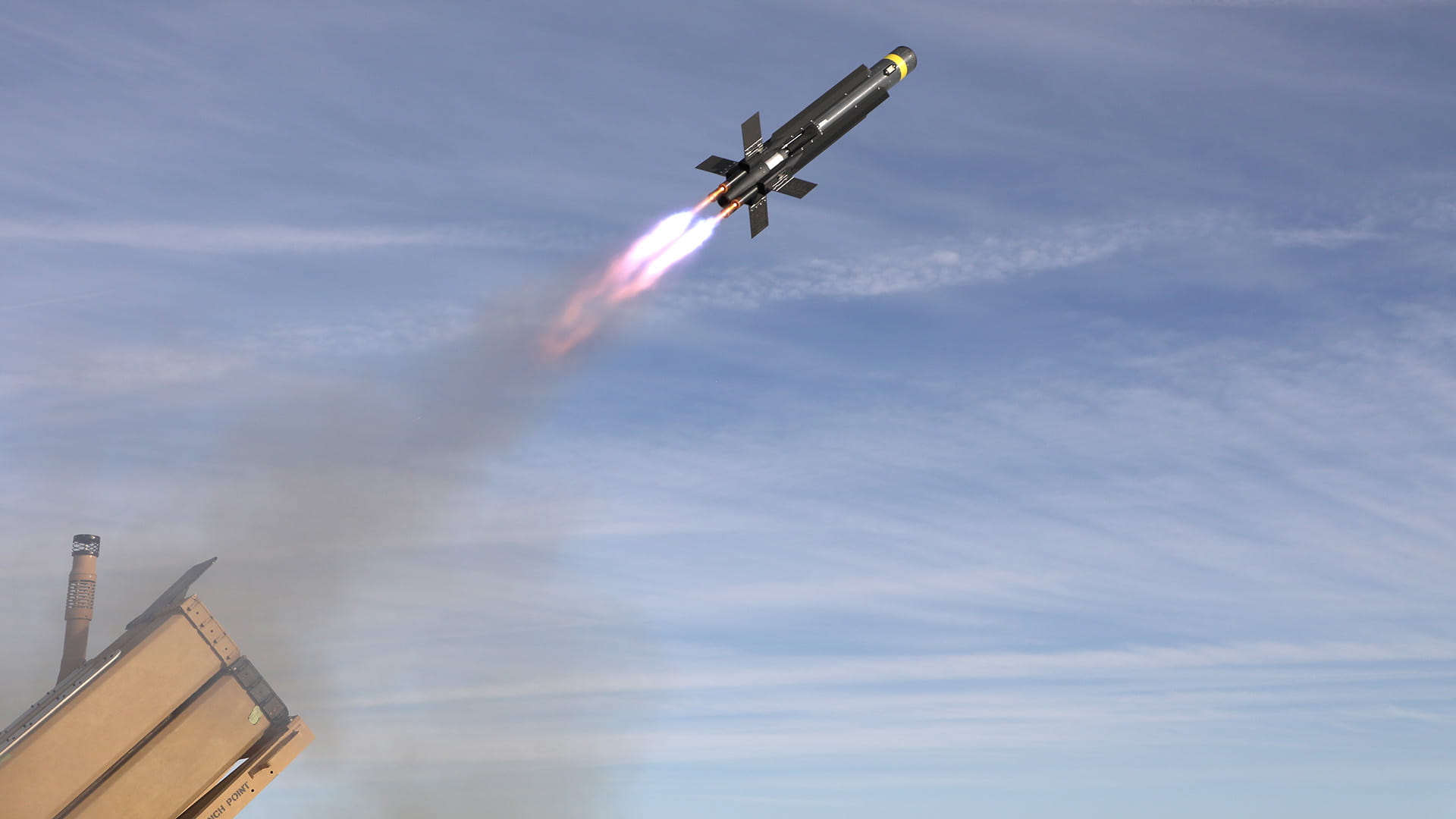
Military Sentinel, Washington – Raytheon has unveiled a newly developed variant of its Coyote counter-unmanned aerial vehicle interceptor that replaces its traditional small turbojet engine with a solid rocket motor. The new iteration, designated the Coyote Block 2C+RM, shifts the established counter-drone effector firmly into the domain of traditional surface-to-air missile performance to better address faster, more advanced one-way-attack drones.
The announcement was made public ahead of the Association of the U.S. Army’s annual convention. The rocket-powered variant has been under development for approximately fifteen months, during which engineers have conducted static motor firings and three successful live test launches. While existing jet-powered Coyote Block 2 interceptors rely on a small rocket booster solely for initial launch before transitioning to turbojet propulsion, the new design uses continuous solid rocket power to achieve significantly higher velocities and extended operational range.
According to company leadership, the Block 2C+RM incorporates an upgraded seeker and warhead alongside its new propulsion system. These modifications are specifically tailored to address cutting-edge uncrewed aerial systems, including higher-speed, combustion-engine-powered loitering munitions that push the upper limits of the Group 3 weight and performance category.
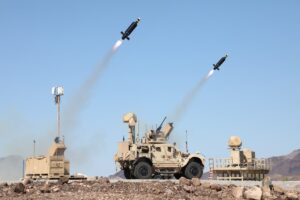
Group 3 drones generally span platforms weighing between 56 and 1,320 pounds with top speeds reaching up to 250 knots. However, newer jet-powered one-way-attack designs operating in modern conflicts frequently exceed those speeds, blurring the tactical line between long-range kamikaze drones and conventional cruise missiles. By boosting overall velocity and response time, the rocket-powered Coyote aims to bridge the capability gap against these faster threats while maintaining compatibility with existing four- and eight-cell launcher configurations deployed on land vehicles, fixed-site structures, and naval platforms.
The existing jet-powered Coyote Block 2 series remains a combat-proven asset, having recorded hundreds of operational intercepts during U.S. military deployments. The U.S. Army continues to act as the primary operator, backed by substantial multi-year procurement targets and international contracts with foreign military sales customers.
Raytheon has indicated that production of the proven jet-powered variants will continue alongside the new development program. Additional live-fire testing for the Block 2C+RM variant is scheduled through the first half of the coming year as the program transitions toward formal integration with defense department requirements and potential follow-on procurement contracts.

James Whitfield is a defense news writer at Military Sentinel, covering military technology, naval operations, military aviation, international security, and global defense developments. His work focuses on providing informative reporting, relevant context, and accessible explanations of modern military affairs and emerging defense technologies.
Contact: [email protected]