Physical Address
304 North Cardinal St.
Dorchester Center, MA 02124
Physical Address
304 North Cardinal St.
Dorchester Center, MA 02124
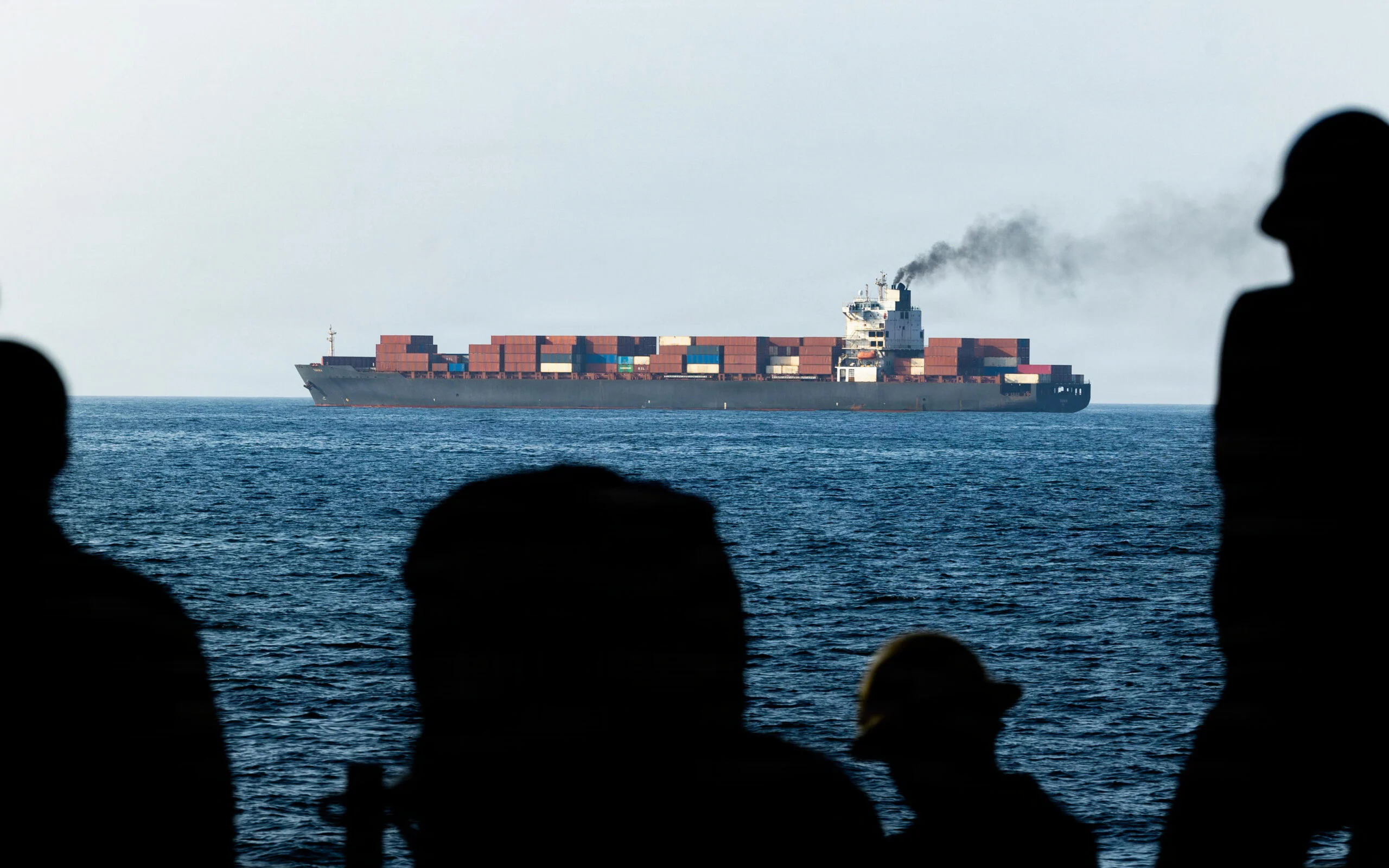
Military Sentinel, Washington – Commercial vessel passages through the Strait of Hormuz reached a three-week high as energy operators cautiously resumed maritime movements, even as Very Large Crude Carrier (VLCC) day rates exploded to historic extremes following weeks of heightened threat levels and tanker disruptions.
According to tracking data and intelligence assessments reported by Lloyd’s List Intelligence and the U.S. Naval Institute, non-Iranian linked transits through the critical maritime chokepoint climbed to 97 over the past week. While the increase signals an operational push by charterers to clear backlogged crude volumes bound for Asian refining hubs, freight markets continue to price in an unprecedented risk premium.
The Baltic Exchange Oman-to-China VLCC assessment surged toward historic highs, with specific spot earnings breaching $870,000 per day. The explosive rise reflects a compounding matrix of extended voyage routing, vessel shortages, and war-risk underwriting surges that have gripped Persian Gulf shipping lanes.
Weekly Traffic Volume: 97 non-Iranian commercial transits (three-week peak)
VLCC Spot Rates: Baltic Exchange Oman–China route touched $870,947/day
Regional Risk Premium: Middle East Gulf-to-Asia rates carry an estimated $10-per-barrel premium over Gulf of Oman loadings outside the chokepoint
Primary Demand Drivers: Offtake commitments to refiners in China, Japan, South Korea, and India
Maritime risk consultancy DeepDraft noted that the spike coincides with disrupted alternative transit infrastructure, notably secondary pipeline capacity via Saudi terminals, forcing crude volumes back into contested littoral lanes.
The recovery in traffic remains fragile. Regional naval forces, led by U.S. 5th Fleet components operating under Combined Maritime Forces (CMF), maintain heightened surveillance and overwatch corridors across the 21-mile-wide strait.
Recent reporting highlights continued risks from asymmetric tools, including:
Uncrewed Surface Vessels (USVs): Pervasive explosive-laden sea drone threats proliferating along Gulf access corridors.
Loitering Munitions: One-way attack drones launched from coastal littoral batteries targeting bridge wings and propulsion spaces.
Electronic Warfare and AIS Spoofing: Widespread disruption of civilian positioning networks, complicating navigation in restricted traffic separation schemes.
While commercial masters continue to transit under tactical escorts or coordinated corridors, several operators are running dark by disabling Automatic Identification System (AIS) transponders to mitigate targeting vectors, further complicating maritime domain awareness.
The widening spread between physical vessel throughput and freight economics underscores that naval deterrence has restored partial volume, but not commercial confidence. Insurance underwriters have repeatedly adjusted War Risk Add-on premiums, shifting the economic burden directly onto destination refiners across the Indo-Pacific.
Western defense officials and allied naval planners face a persistent dilemma: providing convoy overwatch and airborne ISR absorbs significant surface combatant tasking that would otherwise support wider theatre operations. With spot charter markets pricing in persistent volatility through late 2026, the Strait of Hormuz remains a decisive pressure point where localized tactical actions dictate global energy logistics.