Physical Address
304 North Cardinal St.
Dorchester Center, MA 02124
Physical Address
304 North Cardinal St.
Dorchester Center, MA 02124

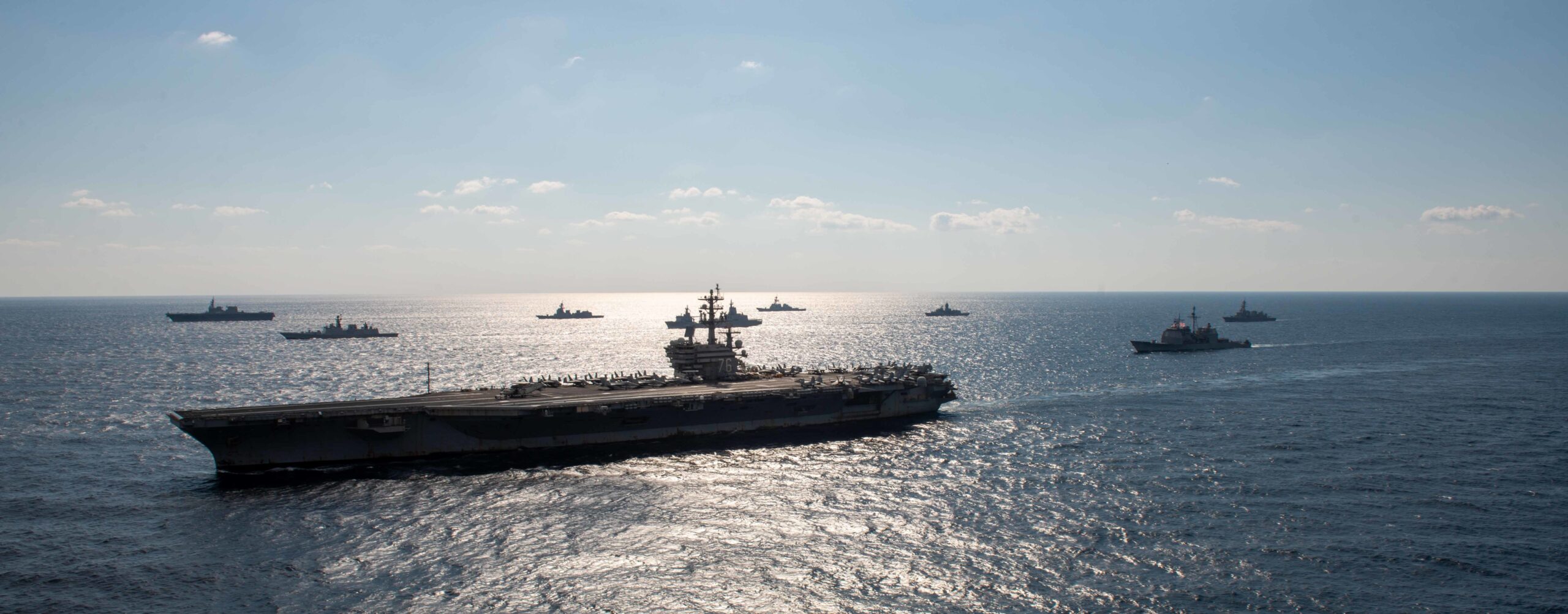
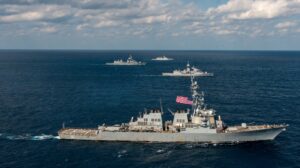
Military Sentinel, Tokyo – Naval forces from the United States, Japan, India, and Australia have officially commenced the annual Malabar naval exercise off the coast of Japan, marking a significant milestone in multilateral interoperability and regional maritime security coordination.
The multi-day exercise brings together high-end surface combatants, anti-submarine warfare assets, and maritime patrol aircraft to conduct complex tactical drills in the Western Pacific. Designed to strengthen collective defense capabilities among the Quad nations, this year’s iteration focuses heavily on high-end maritime combat scenarios, integrated air and missile defense operations, and advanced anti-submarine maneuvers.
Strategic Context and Regional Stability
The Malabar exercise series has evolved over three decades from a bilateral engagement between the United States and India into a premier quadrilateral maritime exercise involving key Indo-Pacific democracies. Regional security dynamics and shifting naval balances in the Western Pacific have lent increased operational importance to these exercises, particularly as participating navies seek to ensure secure sea lines of communication and uphold international maritime law.
Hosting the exercise near Japanese waters highlights the growing defense relationship between Tokyo, Washington, New Delhi, and Canberra. By conducting operations in strategically vital maritime corridors, the participating forces aim to refine joint command and control protocols, enhance tactical data sharing, and demonstrate a unified commitment to regional deterrence.
Naval Assets and Combat Capabilities
This year’s exercise features a diverse array of frontline naval platforms, including guided-missile destroyers, frigates, logistics support vessels, and specialized aviation detachments. U.S. Navy Carrier Strike Group assets often anchor the exercise, providing comprehensive air defense and power projection capabilities alongside regional partners.
The inclusion of advanced anti-submarine warfare (ASW) training represents a core component of the deployment. Modern diesel-electric and nuclear-powered submarines operating in the region necessitate sophisticated multi-static sonar coordination, coordinated aircraft tracking, and surface-to-subsurface tactical integration. Participating navies are utilizing integrated helicopter detachments and maritime patrol aircraft to practice tracking simulated underwater threats across complex bathymetric environments.
Interoperability and Tactical Integration
A primary objective of the Malabar exercise is achieving seamless interoperability among disparate naval architectures. Because each participating nation operates distinct command systems, communication protocols, and weapons suites, joint exercises are essential for identifying technical gaps and standardizing tactical procedures.
Naval planners emphasize that tactical communication security and shared situational awareness are critical during high-tempo operations. Crews routinely practice cross-deck helicopter landings, replenishment-at-sea (RAS) maneuvers, and coordinated maneuvering under simulated electronic warfare threats. These drills ensure that tactical commanders can coordinate fleet movements efficiently without relying on uniform platform designs.
Future Outlook and Program Evolution
As the Malabar exercise concludes its current phase, participating defense ministries are expected to review operational data to refine future training scenarios. Future iterations are projected to incorporate emerging technological domains, including unmanned surface vessels, advanced electronic counter-countermeasures, and enhanced space-based maritime domain awareness tools. The continued expansion of these drills underscores a long-term institutional commitment among Quad partners to maintain persistent, cooperative naval readiness in the Indo-Pacific.

James Whitfield is a defense news writer at Military Sentinel, covering military technology, naval operations, military aviation, international security, and global defense developments. His work focuses on providing informative reporting, relevant context, and accessible explanations of modern military affairs and emerging defense technologies.
Contact: [email protected]