Physical Address
304 North Cardinal St.
Dorchester Center, MA 02124
Physical Address
304 North Cardinal St.
Dorchester Center, MA 02124


Military Sentinel, Seoul – China and South Korea have completed a ten-day joint maritime law enforcement patrol in the shared fisheries zone of the Yellow Sea, marking a significant return to cooperative security operations after a four-year hiatus.
The joint deployment involved the China Coast Guard ship Changshan and the South Korean fisheries inspection vessel Mugunghwa 42, operating within the provisional measures zone from October 8 to October 17. The resumption of these coordinated missions signals a stabilization of bilateral maritime communication following a prolonged suspension that began after 2022.
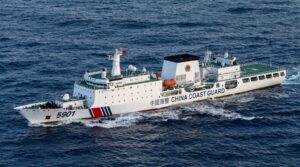
During the ten-day deployment, the combined enforcement flotilla navigated more than 1,200 nautical miles across the demarcation boundaries. According to official reports, the vessels monitored 123 fishing boats, issued formal warnings to 74 commercial vessels operating without proper authorization, and boarded three ships suspected of violating regional fishing regulations.
The cooperative mechanism is designed to regulate commercial maritime traffic and mitigate unauthorized resource extraction in overlapping maritime jurisdictions. Regular joint operations were initially established to prevent localized maritime incidents from escalating into broader diplomatic disputes between Beijing and Seoul.
Annual joint patrols between Chinese and South Korean maritime agencies had been conducted consistently since 2014. However, the framework stalled in 2023 due to operational disagreements regarding patrol routes, jurisdictional oversight, and enforcement boundaries within the shared zone.
The breakdown in field-level cooperation coincided with rising regional frictions concerning resource management and semi-permanent maritime structures erected in adjacent sectors. The recent decision to restart the patrols follows renewed diplomatic engagement aimed at establishing predictable communication channels and reducing friction between coast guard and fisheries administration units.
The Yellow Sea serves as a vital artery for commercial shipping and naval transit, supporting key naval installations for both nations. For South Korea, the semi-enclosed sea borders heavily populated coastal economic zones and major transit lanes leading to Incheon and the capital region. For China, the waters adjacent to the Shandong Peninsula house critical naval infrastructure belonging to the People’s Liberation Army Navy’s Northern Fleet.
Because the body of water is narrow and lacks wide jurisdictional buffers, unregulated commercial activities frequently risk generating tactical friction between neighboring maritime forces. Re-establishing structured oversight helps both administrations manage civil maritime enforcement without introducing military escalation vectors.
The successful conclusion of the October deployment points toward a potential normalization of annual fisheries enforcement schedules between the two countries. While maritime differences regarding boundary delimitation and resource utilization persist, the resumption of joint boardings demonstrates a shared interest in maintaining basic order in the shared zone. Both capitals are expected to evaluate the operational data from the latest patrol before scheduling subsequent coordinated deployments in the coming months.

James Whitfield is a defense news writer at Military Sentinel, covering military technology, naval operations, military aviation, international security, and global defense developments. His work focuses on providing informative reporting, relevant context, and accessible explanations of modern military affairs and emerging defense technologies.
Contact: [email protected]