Physical Address
304 North Cardinal St.
Dorchester Center, MA 02124
Physical Address
304 North Cardinal St.
Dorchester Center, MA 02124

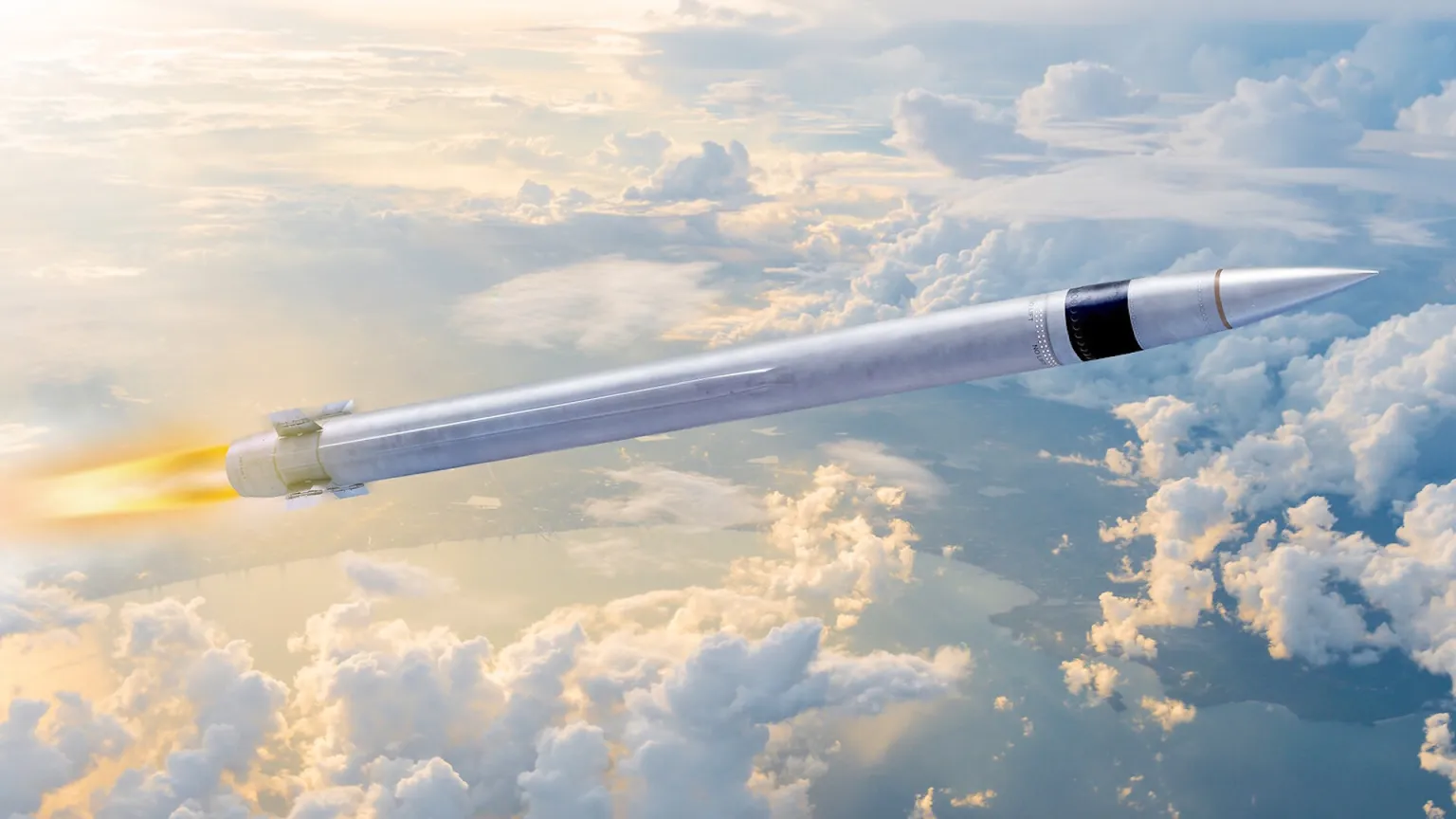
Military Sentinel, Washington – Lockheed Martin has publicly introduced the PAC-3 Edge, an advanced missile interceptor designed to counter complex hypersonic, ballistic, and cruise missile threats at extended ranges and higher altitudes. Unveiled as the defense contractor’s premier offering for the U.S. Army’s highly competitive Future Interceptor program, the new weapon leverages the proven architecture of the PAC-3 Missile Segment Enhancement (MSE) while integrating breakthrough propulsion, guidance, and flight control systems.
The introduction of the PAC-3 Edge marks a significant architectural step for Western air defense. As modern adversaries field increasingly maneuverable hypersonic glide vehicles and advanced ballistic missiles, legacy interceptors face immense kinematic and thermal pressures. The PAC-3 Edge is engineered to close this capability gap, reinforcing the multi-layered missile defense framework protecting U.S. and allied forces globally.
At the core of the PAC-3 Edge design are major propulsion and seeker enhancements. While the established PAC-3 MSE relies on a high-performance two-pulse solid rocket motor, the Edge variant incorporates an advanced multi-pulse motor developed by Northrop Grumman. This third pulse allows the motor to fire across three distinct stages of flight, delivering sustained energy and superior agility during terminal engagement against evading targets.
Guidance improvements match these kinematic upgrades. The interceptor features a revolutionary new active Ka-band radar seeker engineered by the Lockheed Martin Strigo Product Center. This seeker is paired with modernized flight control actuators and enhanced thermal hardening designed to withstand the severe aerodynamic heating encountered during high-altitude, high-speed intercepts. Like its predecessor, the Edge retains the foundational hit-to-kill kinetic methodology—destroying incoming targets through direct physical impact rather than relying solely on a proximity warhead.
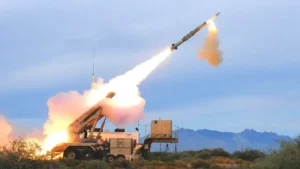
Lockheed Martin has structured the PAC-3 Edge to ensure broad compatibility with existing and upcoming integrated air and missile defense infrastructure. The interceptor is designed for seamless integration with the U.S. Army’s Integrated Battle Command System (IBCS) and standard M903 Patriot launching stations, alongside potential deployment configurations such as containerized launchers and mobile artillery platforms.
Company executives indicate that flight testing for the PAC-3 Edge is slated to begin around 2027, with an official U.S. Army operational fielding target set for 2031. However, manufacturer representatives have expressed intent to accelerate the schedule toward the turn of the decade, matching urgent global demand for high-end air defense assets. While unit costs are anticipated to align closely with the baseline PAC-3 MSE, production scaling aligns with broader industrial base expansion agreements—such as a major multi-year framework agreement aimed at ramping total annual PAC-3 family manufacturing output toward 2,000 units.
As testing approaches, the PAC-3 Edge represents a critical bridge toward next-generation theater missile defense, offering enhanced kinematic performance against evolving global threats.

James Whitfield is a defense news writer at Military Sentinel, covering military technology, naval operations, military aviation, international security, and global defense developments. His work focuses on providing informative reporting, relevant context, and accessible explanations of modern military affairs and emerging defense technologies.
Contact: [email protected]