Physical Address
304 North Cardinal St.
Dorchester Center, MA 02124
Physical Address
304 North Cardinal St.
Dorchester Center, MA 02124

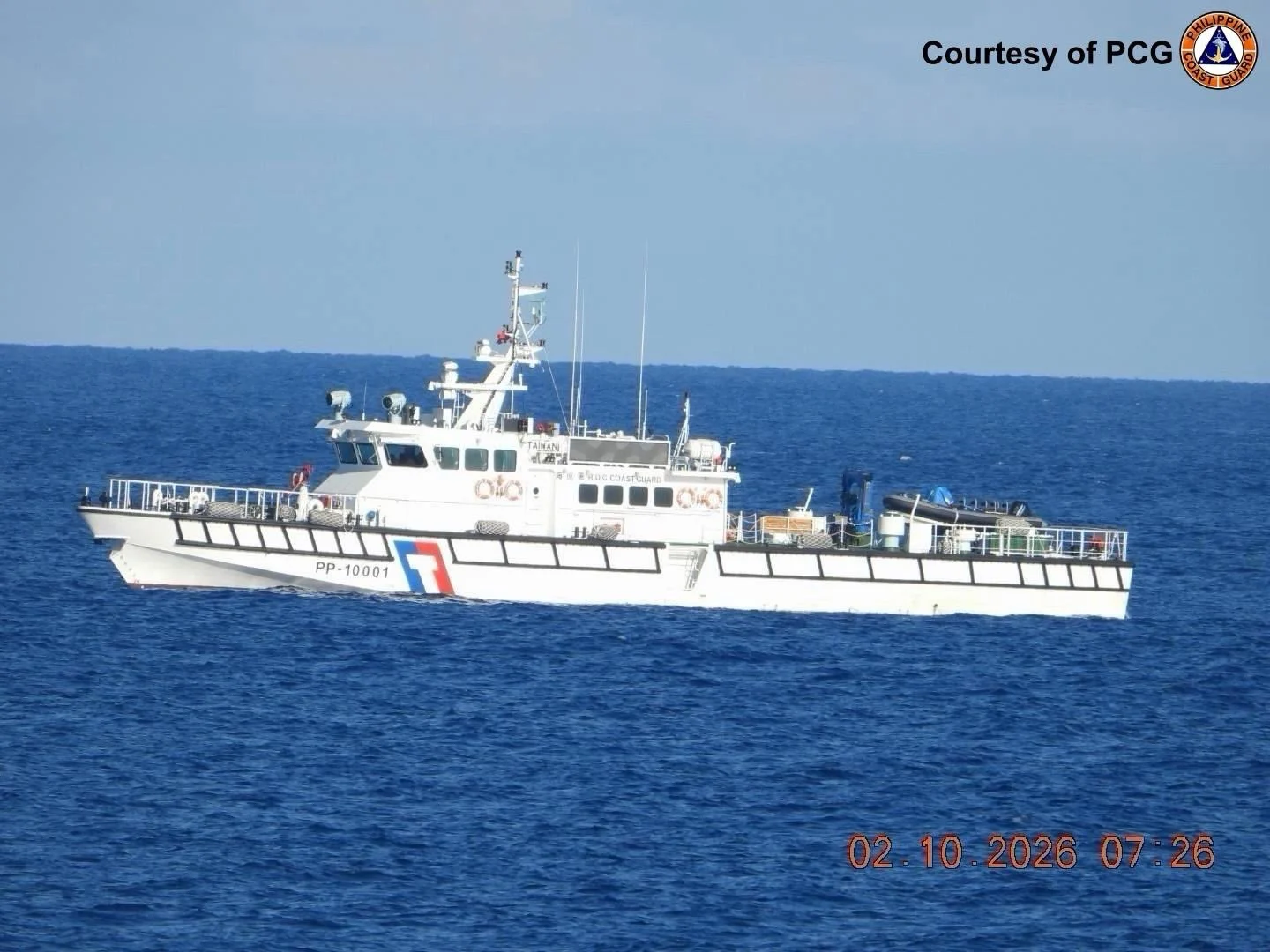
Military Sentinel, Manila – Tensions in the contested waters of the Western Pacific have intensified following a notable surge in close encounters, blockades, and aerial intercepts between Philippine and Chinese state forces across the South China Sea and the Luzon Strait.
The escalation highlights an increasingly volatile operational environment as both nations deploy naval, coast guard, and fisheries assets to enforce overlapping territorial claims. Analysts note that the frequency of face-to-face confrontations has severely strained bilateral communication channels, elevating the risk of tactical miscalculation in vital maritime chokepoints.
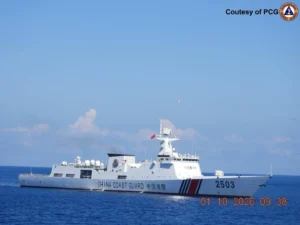
The recent spike encompasses multiple high-visibility standoffs, including maritime blockades near key disputed features and close-range maneuvers involving aircraft. According to reports from the Armed Forces of the Philippines, more than a hundred Chinese vessels—comprising People’s Liberation Army Navy (PLAN) warships, China Coast Guard (CCG) cutters, and maritime militia units—were tracked operating in close proximity to Philippine-claimed features throughout September.
These deployments coincided with aggressive interception attempts against Philippine resupply missions and routine fisheries patrols. In mid-September, a CCG cutter was involved in a collision with a Philippine government fisheries vessel near Palawan, triggering mutual diplomatic protests. Furthermore, aerial encounters have expanded northward toward the strategic Luzon Strait, where Philippine maritime patrol aircraft have been shadowed and warned by Chinese military jets.
The extension of friction points into the Luzon Strait marks a critical geographic shift from traditional flashpoints like Second Thomas Shoal and Scarborough Shoal. Connecting the Pacific Ocean to the South China Sea, the strait is a vital maritime chokepoint for regional trade and naval transit.
Increased patrols by heavy Chinese surface combatants and coast guard vessels derived from destroyer hulls near the Batanes Islands reflect Beijing’s intent to project power further north. For Manila, maintaining surveillance and unhindered access in these northern approaches is essential for national security and sovereign rights within its exclusive economic zone.
The persistent friction underscores the limits of provisional diplomatic agreements brokered between Manila and Beijing. While temporary arrangements had previously eased tensions following severe clashes, competing interpretations of sovereign rights and lawful transit continue to spark confrontations.
In response to the growing maritime pressure, the Philippines continues to modernize its coastal defense capabilities and strengthen bilateral security partnerships with regional allies such as Japan and the United States. These collaborative efforts focus on enhancing domain awareness, radar coverage, and interoperability to deter aggressive gray-zone tactics.
As both sides maintain their operational posture, military observers warn that the high density of opposing vessels operating in confined spaces leaves little margin for error. Future developments will likely depend on whether diplomatic frameworks can be reinforced to establish reliable guardrails against accidental escalation at sea.

James Whitfield is a defense news writer at Military Sentinel, covering military technology, naval operations, military aviation, international security, and global defense developments. His work focuses on providing informative reporting, relevant context, and accessible explanations of modern military affairs and emerging defense technologies.
Contact: [email protected]