Physical Address
304 North Cardinal St.
Dorchester Center, MA 02124
Physical Address
304 North Cardinal St.
Dorchester Center, MA 02124

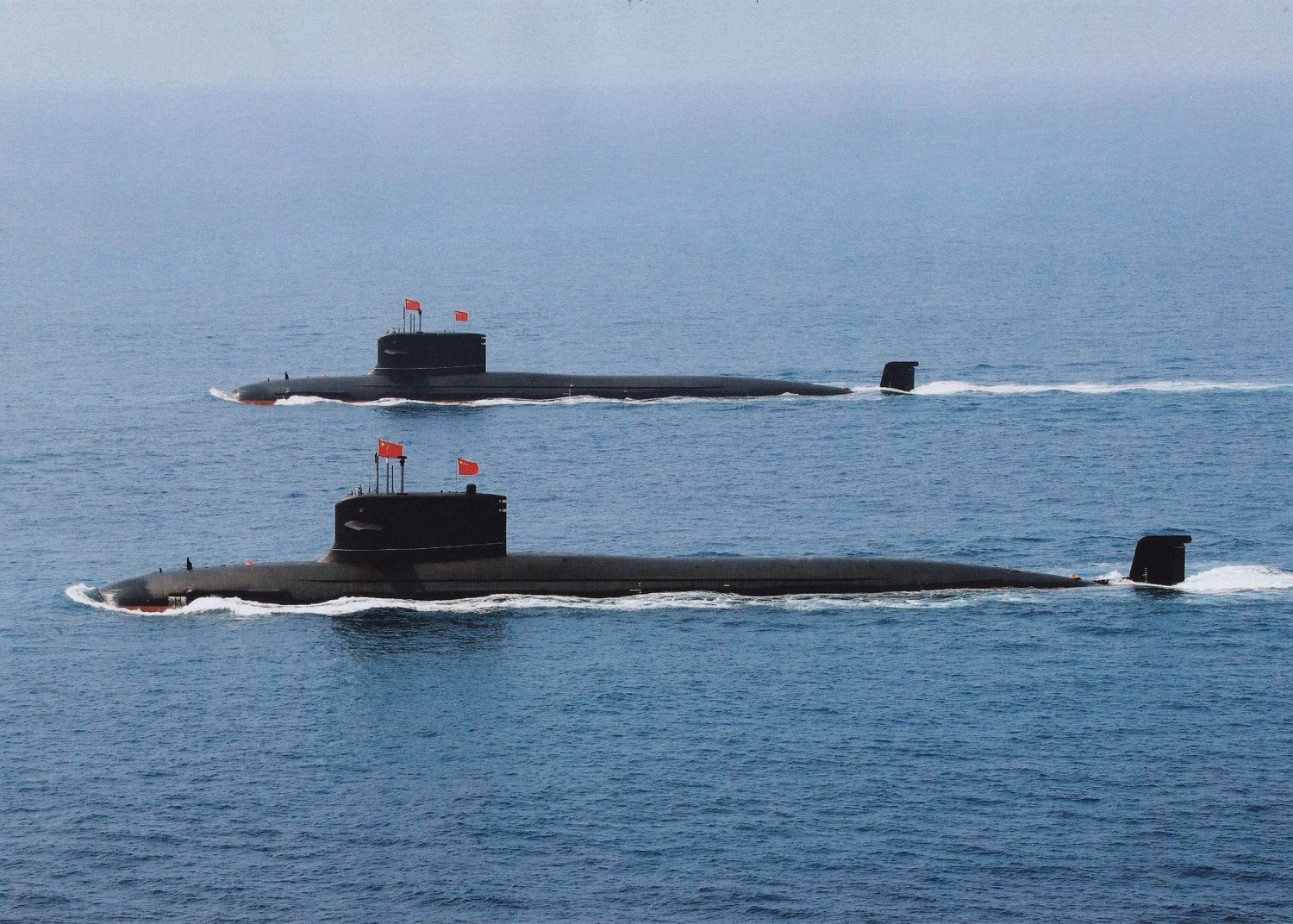
Military Sentinel, Beijing – While global defense attention frequently focuses on Beijing’s rapidly expanding surface fleet and aircraft carrier deployments, China has quietly transformed its submarine industrial base into a formidable global powerhouse. Through sustained investment in domestic shipbuilding infrastructure, advanced acoustic suppression, and air-independent propulsion (AIP), the People’s Liberation Army Navy (PLAN) is reshaping the strategic balance beneath the Indo-Pacific.
This silent expansion highlights a long-term modernization strategy aimed at securing near-seas dominance while projecting credible blue-water capabilities. With multiple shipyards scaling production and fielding next-generation conventional and nuclear platforms, Beijing’s underwater warfare enterprise has emerged as a central pillar of great-power competition.

Recent satellite analysis and defense intelligence reports indicate that China’s submarine construction capacity has experienced substantial expansion. Facilities such as the Wuchang Shipbuilding Industry Group in Wuhan and major coastal yards like Jiangnan have streamlined production lines to manufacture advanced nuclear-powered attack submarines (SSNs), ballistic missile submarines (SSBNs), and sophisticated diesel-electric attack submarines (SSKs) concurrently.
This industrial scaling allows the PLAN to outpace traditional Western output rates for undersea hulls. Analysts note that China’s capacity to build complex nuclear and non-nuclear vessels across multiple dedicated shipyards provides a distinct strategic advantage, ensuring a steady stream of modern hulls entering service to replace older legacy classes.
Early iterations of Chinese submarines faced persistent criticism regarding acoustic signatures and mechanical reliability. However, recent classes such as the Type 039A/B/C Yuan-class diesel-electric submarines equipped with Stirling-engine AIP systems demonstrate significant narrowing of the technological gap with Western and Russian counterparts.
The integration of indigenously developed machinery rafts, rubber anti-sonar anechoic tiles, and advanced skew-back propellers has measurably reduced acoustic profiles. Furthermore, recent observations of novel non-nuclear designs featuring X-form rudders and potential vertical launch systems (VLS) indicate an ongoing commitment to doctrinal innovation, moving beyond traditional platform roles to incorporate enhanced strike options.
The maturation of China’s submarine fleet directly influences operational dynamics across the South China Sea, the Philippine Sea, and the broader Indian Ocean. Routine strategic deterrence patrols by Type 094 Jin-class SSBNs and the integration of nuclear attack submarines into carrier strike group operations provide the PLAN with sustained deep-water reach.
These developments complicate anti-submarine warfare (ASW) planning for rival navies. As Beijing continues to refine its seabed mapping, oceanographic data collection, and underwater navigation capabilities, its submarine force is increasingly positioned to contest vital maritime choke points and challenge traditional security architectures.
Future milestones will depend on how effectively the PLAN scales its next-generation nuclear propulsion programs and manages crew training for extended blue-water deployments, factors that will ultimately define the limits of its undersea reach.