Physical Address
304 North Cardinal St.
Dorchester Center, MA 02124
Physical Address
304 North Cardinal St.
Dorchester Center, MA 02124

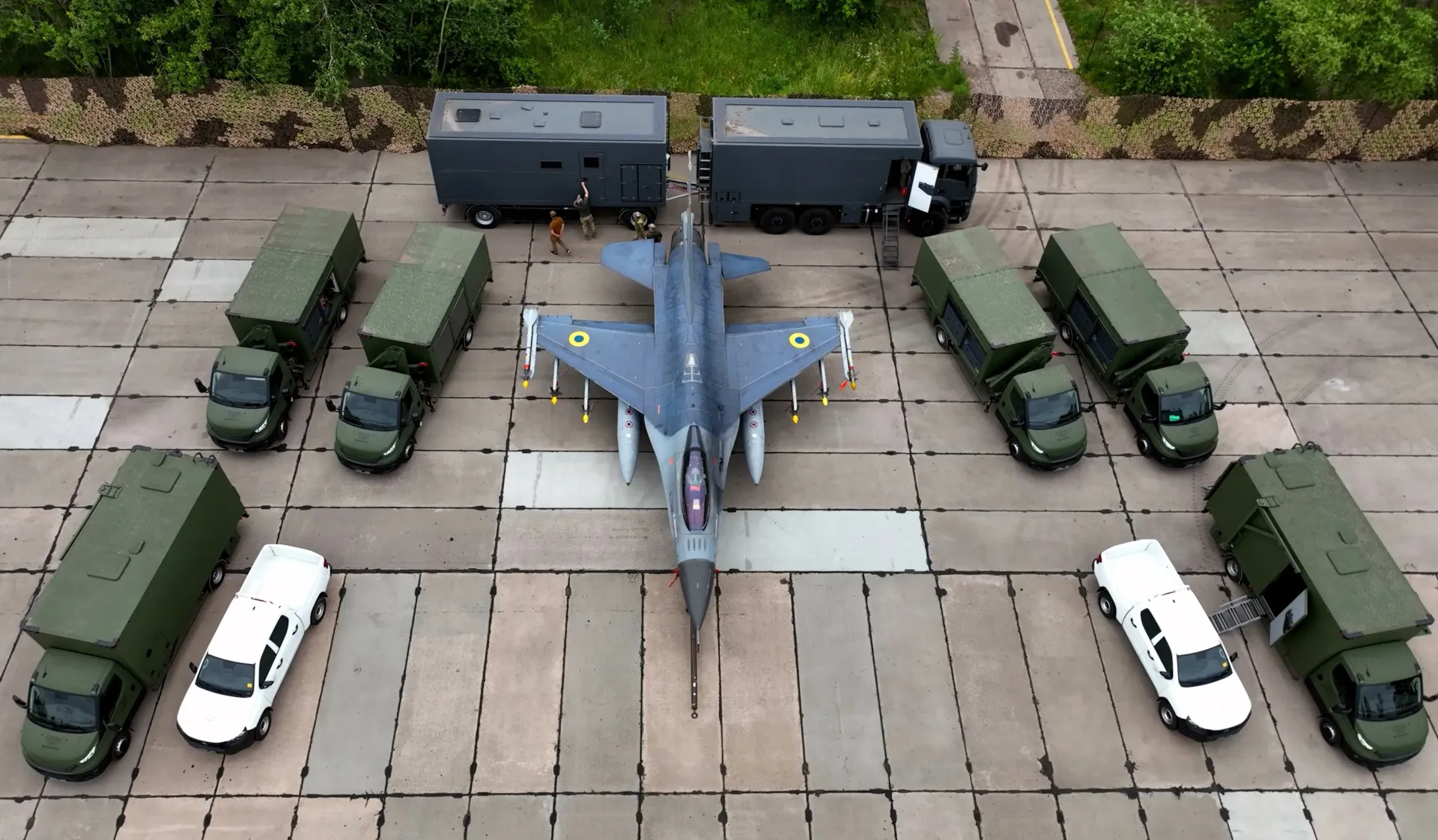
Military Sentinel, Kyiv – Ukrainian F-16s have intercepted and destroyed more than 3,150 Russian airborne targets since entering operational service, establishing the multirole fighter as a critical anchor in defending national infrastructure against long-range strike campaigns.
The operational tally was disclosed by the Commander of the Ukrainian Air Force, Lt. Gen. Anatolii Kryvonozhko, during an official delegation meeting with representatives from manufacturer Lockheed Martin. According to official Air Force statements, the fleet has evolved into a high-tempo air defense asset while concurrently conducting strike sorties across contested frontline sectors.
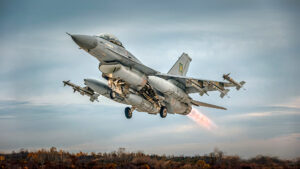
The published mission record indicates that the Fighting Falcon fleet has shouldered a massive portion of Ukraine’s intercept demand:
Drone Interceptions: Approximately 2,500 one-way attack uncrewed aerial vehicles (primarily Shahed-136/Geran variants).
Cruise Missile Kills: 666 cruise missiles destroyed in flight.
Ground Strike Missions: Over 650 targeted strikes executed against Russian surface positions and tactical targets.
Ukrainian Air Force leadership noted that aircrews achieved these tallies while managing severe munitions constraints, employing an assortment of Western-supplied air-to-air missiles alongside onboard M61A1 Vulcan 20mm cannons to conserve high-end interceptors. The Air Force did not publicly specify the precise date or operational location of the industry discussions.
Conor McGuire, head of F-16 capability development at Lockheed Martin, commended the Ukrainian pilots and maintenance teams for integrating the platform under sustained combat conditions. McGuire affirmed the defense contractor’s intent to assist Kyiv in optimizing its operational fleet while opening strategic talks regarding future procurement.
Discussions formally addressed the potential acquisition of new-build F-16 Block 70/72 aircraft. Built at Lockheed Martin’s Greenville, South Carolina production facility, the Block 70/72 represents the platform’s most advanced operational configuration.
Key technical advancements in the Block 70/72 include:
Radar: Northrop Grumman AN/APG-83 Active Electronically Scanned Array (AESA) radar, offering greater tracking range and multi-target engagement capabilities comparable to fifth-generation sensors.
Cockpit Avionics: High-resolution Center Pedestal Display (CPD) and enhanced tactical datalinks.
Airframe: Extended structural service life rated to 12,000 flight hours.
Ukraine received its initial batch of F-16 Mid-Life Update (MLU) variants in mid-2024 via a donor coalition comprising the Netherlands, Denmark, Norway, and Belgium. While upgraded during the 2000s, these legacy airframes feature older mechanically scanned radars and have accumulated substantial service wear, with Kyiv sustaining several aircraft and pilot losses across combat sorties and high-stress missions.
To build out a resilient, multi-tiered fighter inventory, Kyiv has initiated parallel modernization agreements across Europe. These include letters of intent signed late last year with Sweden for up to 150 Saab JAS 39 Gripen E fighters, alongside agreements with France covering up to 100 Dassault Rafale airframes.
Transitioning from donated, second-hand MLUs to factory-fresh Block 70/72 Vipers would provide Kyiv with native AESA sensor capabilities, higher sortie availability, and streamlined supply-chain integration necessary to contest heavily defended airspace over the long term.

James Whitfield is a defense news writer at Military Sentinel, covering military technology, naval operations, military aviation, international security, and global defense developments. His work focuses on providing informative reporting, relevant context, and accessible explanations of modern military affairs and emerging defense technologies.
Contact: [email protected]