Physical Address
304 North Cardinal St.
Dorchester Center, MA 02124
Physical Address
304 North Cardinal St.
Dorchester Center, MA 02124

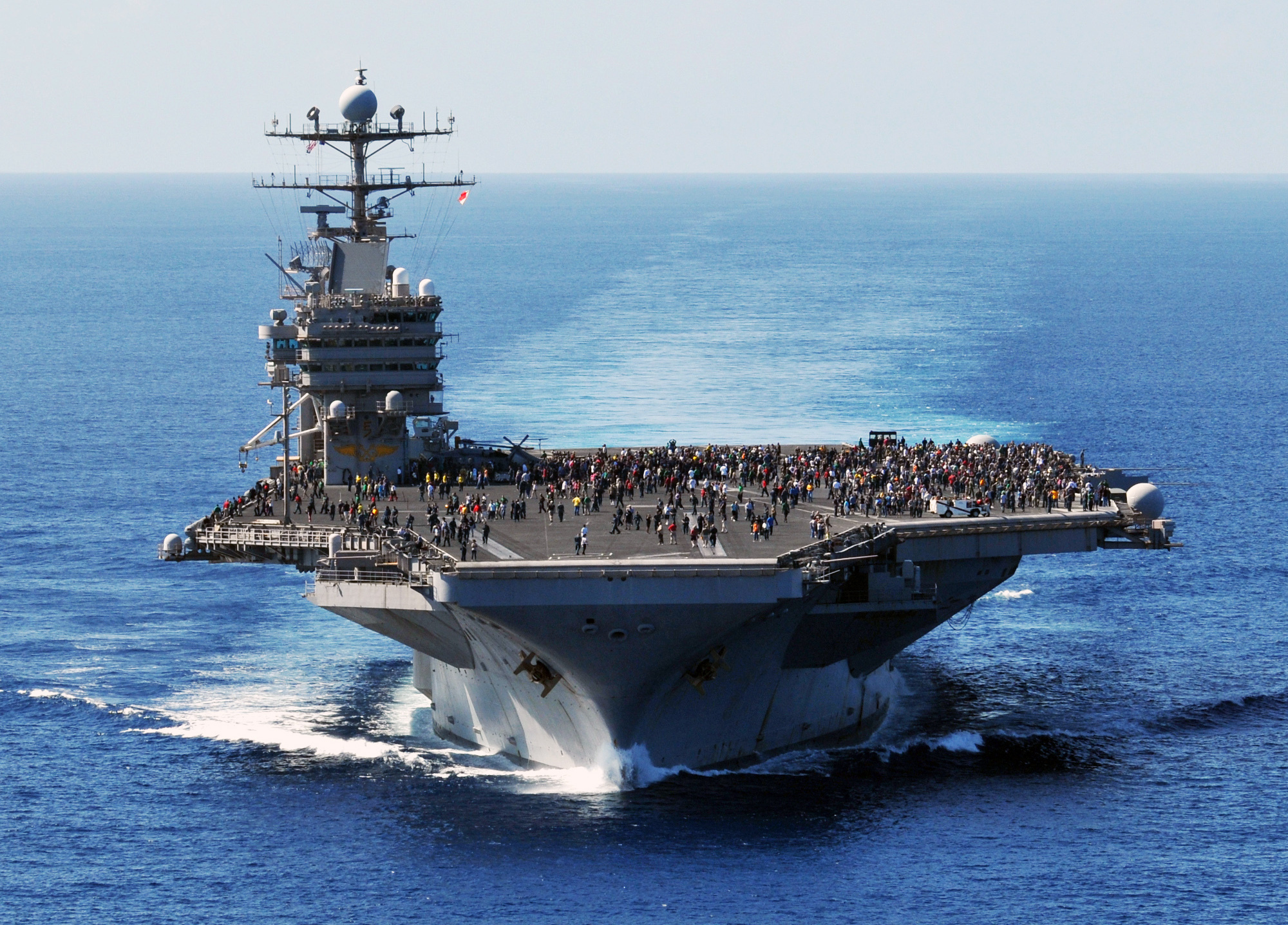
Military Sentinel, Washington – The US Navy confirmed that eight personnel assigned to the USS Abraham Lincoln Carrier Strike Group (CSG-3) attempted suicide during an extended 286-day deployment marked by high-tempo combat operations, according to an official Pentagon congressional response released Wednesday.
The figures were disclosed in a formal letter from Acting Navy Secretary Hung Cao to Sen. Kirsten Gillibrand (D-NY), a member of the Senate Armed Services Committee. The admission follows months of mounting congressional scrutiny and reporting from defense outlets regarding severely degraded quality-of-life conditions, supply shortages, and psychological strain aboard the Nimitz-class aircraft carrier.
Cao specified that the incidents occurred across the entire strike group rather than exclusively aboard the flagship.
“Since the beginning of Lincoln’s deployment, there have been a total of eight suicide attempts across the strike group,” Cao wrote, clarifying that no personnel died by suicide. The casualty data encompasses the carrier’s primary crew, Carrier Air Wing (CVW) 9, Destroyer Squadron (DESRON) 21 staff, and crews aboard escorting Arleigh Burke-class guided-missile destroyers.
The Abraham Lincoln departed San Diego in November 2025 and saw its scheduled May return repeatedly deferred to sustain deterrence and combat sorties against Iranian forces. The deployment totaled 286 consecutive days at sea before the vessel made a brief logistics and liberty call in Thailand on September 1.
The correspondence officially verified two separate man-overboard emergencies:
March 2026: A sailor attempted to leap overboard but was physically intercepted by shipmates before being transferred stateside.
August 2026: An air wing sailor successfully went over the side, was recovered via search-and-rescue (SAR) helicopter, treated aboard, and medically evacuated off-ship.
Senior defense officials cited the relentless operational tempo as an acute factor. Carrier deployments typically register one to two suicide attempts per cycle, according to operational planners. The Lincoln CSG spent over six consecutive months in a combat environment with zero port calls, requiring perpetual defense readiness condition postures against uncrewed systems and ballistic missile threats.
Logistical strain also prompted command staff to ration onboard food supplies. Cao confirmed that mess decks temporarily reduced meal options from two entrées to one to preserve endurance on station, alongside acknowledged supply chain bottlenecks for basic crew provisions.
The Navy deployed specialized behavioral health assets to the strike group to mitigate operational stress. Embedded capabilities included:
Five Navy chaplains
One clinical psychologist and one clinical social worker
Three behavioral health technicians
One integrated prevention counselor and an expeditionary facility therapy dog
Despite these assets, congressional leaders criticized executive branch characterizations of shipboard morale. While defense leadership previously downplayed reports of deteriorating conditions as misrepresentations, lawmakers argue that prolonged carrier deployments without adequate rotational relief present untenable readiness risks.
The Abraham Lincoln’s operational marathon highlights an intensifying strategic dilemma for the Pentagon: balancing a constrained fleet of 11 nuclear-powered aircraft carriers against escalating, open-ended regional commitments. As CVN-72 transits the Pacific back to its homeport in California, the deployment is expected to serve as a central case study in congressional hearings assessing the limits of naval surface force endurance.