Physical Address
304 North Cardinal St.
Dorchester Center, MA 02124
Physical Address
304 North Cardinal St.
Dorchester Center, MA 02124

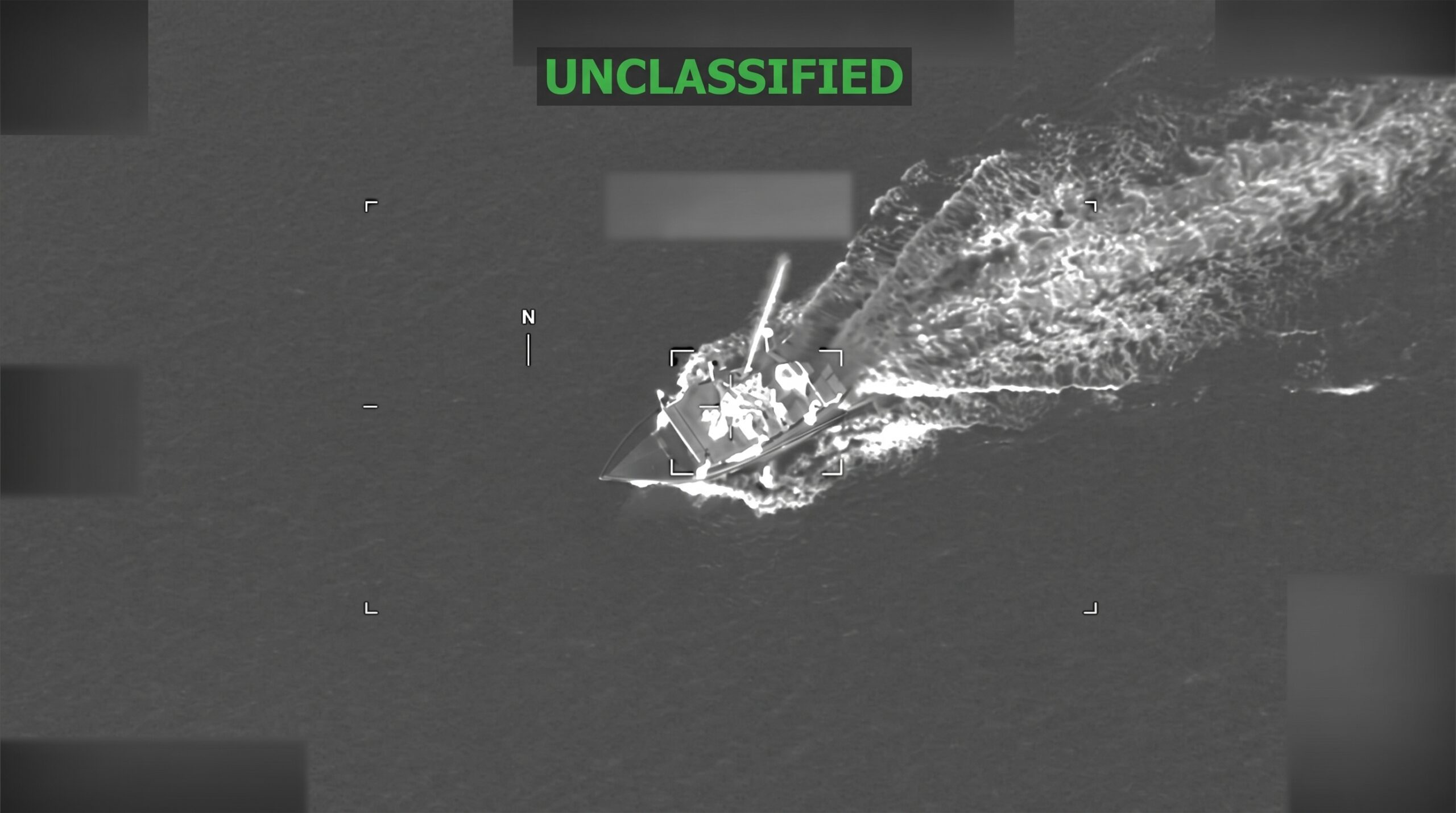
Military Sentinel, Washington – U.S. forces have conducted a lethal kinetic strike against a 70th alleged narcotics-smuggling vessel in the Caribbean basin, marking another escalation in an expanded maritime campaign that a United Nations brief warned may constitute crimes against humanity.
The latest action, coordinated through U.S. Southern Command (SOUTHCOM), targeted a go-fast vessel navigating transit corridors in international waters. Military officials reported four individuals were killed during the interdiction, pushing the estimated death toll across the year-long operational surge beyond 230.
The Pentagon’s counter-narcotics campaign, accelerated in September 2025 under executive directives classifying major cartels as terrorist entities, represents a significant departure from standard law-enforcement interdictions. Rather than utilizing U.S. Coast Guard law enforcement detachments (LEDETs) to board and seize suspected vessels, the military has routinely deployed lethal air-to-surface strikes.
Strike Assets: Operations rely primarily on unmanned aerial systems (UAS) like the MQ-9 Reaper and tactical fighter aircraft.
Munitions: Precision-guided air-to-surface missiles configured to disable or destroy small, multi-engine go-fast hulls and low-profile vessels (LPVs).
Intelligence Layer: Interdictions utilize signals intelligence and maritime patrol radar sweeps before targeting packages are cleared.
U.S. officials maintain that targeting decisions undergo rigorous operational review. Secretary of State Marco Rubio defended the protocols during congressional testimony, stating, “Every strike has a legal officer on the deck that has to make a determination whether the call is legal or not,” emphasizing that commanders retain the authority to abort strikes if positive identification degrades.
The milestone operation coincided with the release of an exhaustive briefing note from Ben Saul, the UN Special Rapporteur on human rights and counterterrorism. The document directly disputes Washington’s premise that narcotics maritime movements represent an “armed attack” justifying military self-defense under Article 51 of the UN Charter.
The brief argues that using lethal air strikes against civil maritime craft—where individuals are not active combatants in an armed conflict amounts to serial extrajudicial executions. Saul concluded there are “reasonable grounds to believe” that the ongoing campaign could satisfy the threshold for crimes against humanity under customary international law, citing the lack of immediate physical threats posed by the vessels to naval units or U.S. territory.
The report also raised sharp concern over specific engagement practices, including alleged “double-tap” follow-up strikes where survivors clinging to disabled wreckage were targeted, an act legal monitors argue violates fundamental maritime obligations regarding the duty to rescue persons in distress at sea.
While SOUTHCOM maintains the strikes deter illicit maritime routes, tracking assessments suggest illicit supply chains are actively adjusting. Smugglers have begun routing shipments through territorial waters to avoid strike authorization envelopes in international corridors, while expanding clandestine aerial flights and commercial container logistics to bypass littoral choke points.
As federal lawsuits from families of deceased mariners advance and international oversight mounts, the Department of Defense faces growing friction between aggressive kinetic maritime denial and the established boundaries of international law of the sea.

James Whitfield is a defense news writer at Military Sentinel, covering military technology, naval operations, military aviation, international security, and global defense developments. His work focuses on providing informative reporting, relevant context, and accessible explanations of modern military affairs and emerging defense technologies.
Contact: [email protected]