Physical Address
304 North Cardinal St.
Dorchester Center, MA 02124
Physical Address
304 North Cardinal St.
Dorchester Center, MA 02124

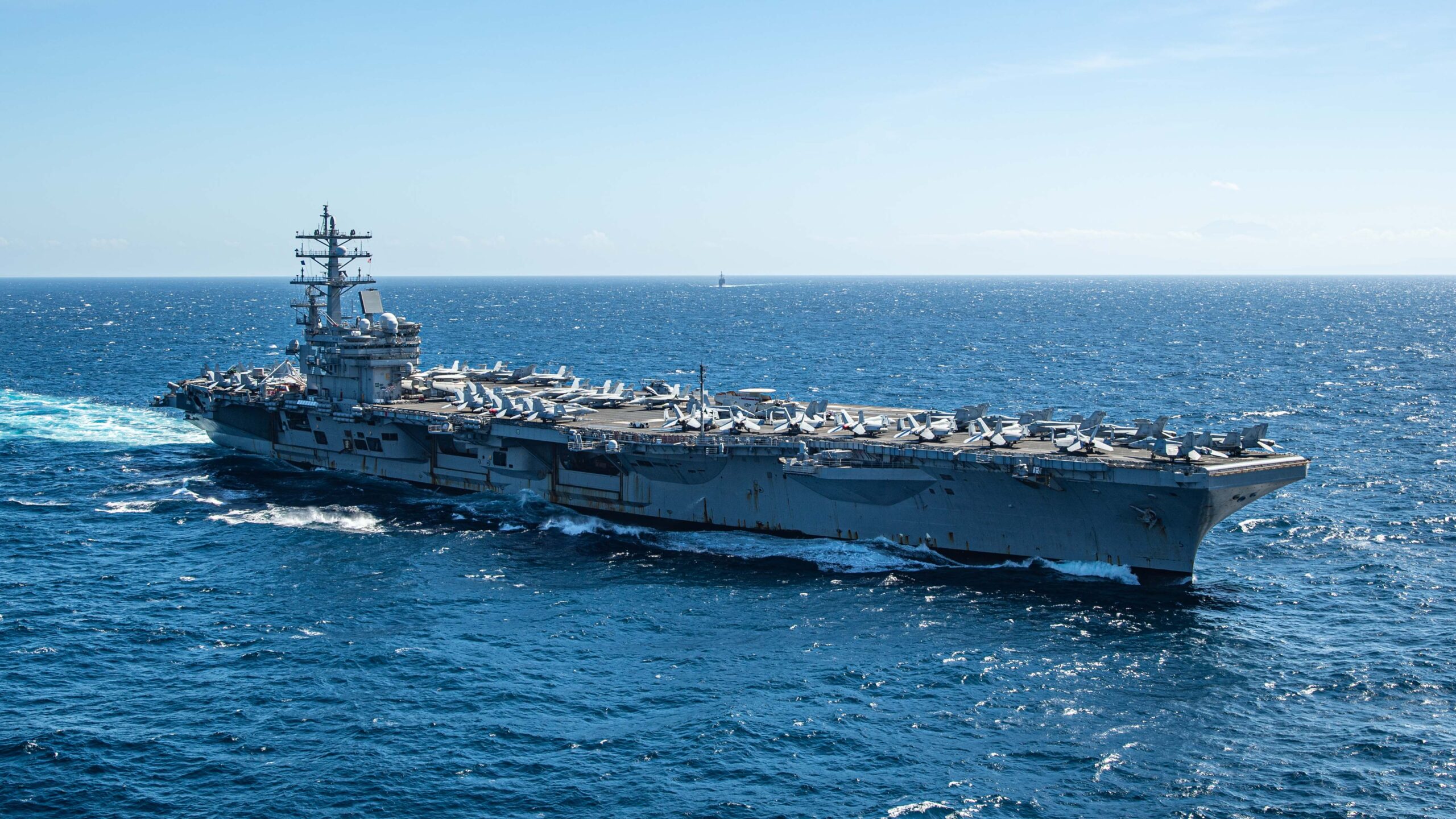
Military Sentinel, NORFOLK – A modernized US Navy carrier has officially returned to operational status following an extensive shipyard maintenance and upgrade cycle, reinforcing the service’s high-demand carrier strike group availability amid tightening deployment schedules worldwide.
Naval Sea Systems Command (NAVSEA) confirmed that the capital ship completed its sea trials, certifying the propulsion plants, flight deck systems, and modern combat suites for operational tasking.
The ship’s return marks the conclusion of a complex Planned Incremental Availability (PIA) and dock trial period. Over consecutive months, naval engineers and shipyard technicians overhauled internal systems, refitted aviation support mechanisms, and upgraded defensive networks.
Aircraft carrier maintenance cycles remain the critical bottleneck in U.S. naval force generation. With a statutory mandate requiring 11 active carriers, extended shipyard overhauls frequently force the Navy to extend operational deployments for active strike groups across the Middle East and Indo-Pacific theaters.
Officials emphasized that returning this hull to sea eases structural wear across the remaining fleet.
“Completing this availability restores critical readiness to the fleet and ensures our sailors deploy with upgraded survivability and strike capability,” a spokesperson for Naval Air Force Atlantic stated.
During the refit, technicians integrated hardware and software improvements to prepare the platform for fifth-generation carrier air wings, particularly the integration of the F-35C Lightning II and unmanned combat platforms.
Displacement: Approximately 100,000 long tons (full load)
Propulsion: Two A4W nuclear reactors driving four shafts
Speed: In excess of 30 knots
Air Wing Capacity: 65 to 70+ aircraft, including strike fighters, airborne early warning, and electronic attack platforms
Key Upgrades: Modernized arresting gear, enhanced radar architectures, command-and-control suite refits, and habitability overhauls
Work also focused on the hull’s catapult and arresting systems, ensuring the deck can cycle operational sorties at high tempo under contested conditions.
The carrier’s recertification arrives as global maritime requirements continuously outpace available deck capacity. Sustained presence missions in the Red Sea and persistent deterrence patrols across the western Pacific have severely tested carrier operational tempo over the past 36 months.
The carrier will now enter the Optimized Fleet Response Plan (OFRP) workup cycle. Over the coming months, the ship and its assigned air wing will execute integrated carrier strike group exercises, basic phase training, and Composite Training Unit Exercises (COMPTUEX) to certify for overseas deployment.
As peer competitors expand their own surface fleets and anti-access/area-denial (A2/AD) capabilities, maintaining reliable carrier availability remains central to U.S. expeditionary strategy. The return of this capital ship shores up rotation schedules, ensuring the fleet can sustain forward deterrence without compromising shipboard material readiness.