Physical Address
304 North Cardinal St.
Dorchester Center, MA 02124
Physical Address
304 North Cardinal St.
Dorchester Center, MA 02124

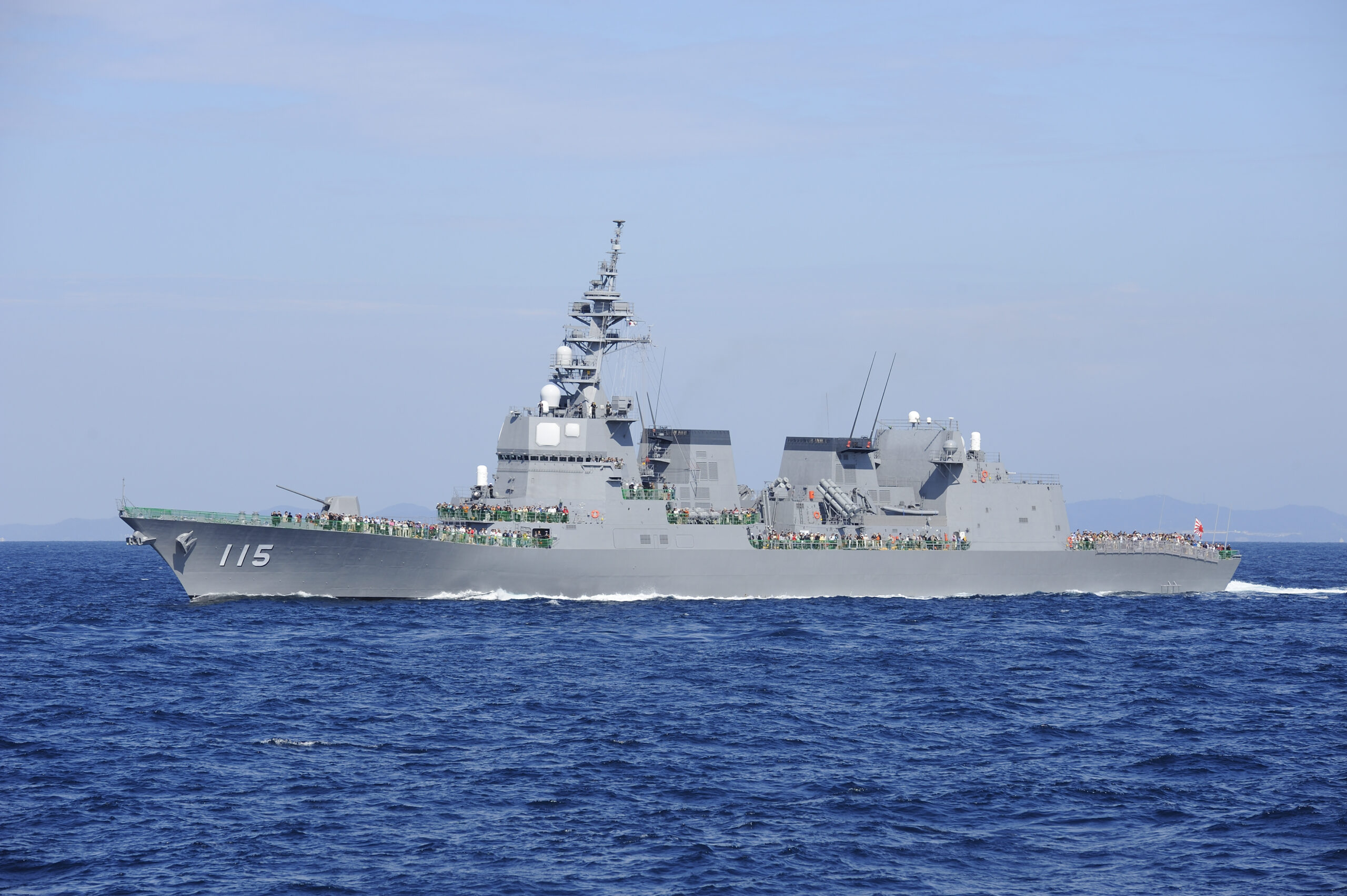
Military Sentinel, Santiago – Japan may transfer general-purpose destroyers to the Chilean Navy as a stopgap measure while Chile’s domestically built frigate program remains years from delivering its first hull, according to Chilean defense media reports. Japan’s naval chief has so far declined to confirm or deny that any such negotiation is underway.
Chilean outlet Defensa.com reported on September 7, citing unnamed sources, that Japanese officials had raised the possibility of transferring Murasame-, Takanami-, or Akizuki-class destroyers to Chile. The report characterized the Murasame class as the likely “floor” of any offer and the newer Akizuki class as the “ceiling.”
Asked about the reports at a September 8 press briefing, JMSDF Chief of Staff Admiral Satoshi Saito did not deny that contacts were taking place, telling The Diplomat‘s Tokyo correspondent that Chile is “a distant country, but a neighboring country on the other side of the Pacific.” He declined to confirm or deny a formal negotiation.
Two separate timelines appear to be driving the speculation:
Chile opened a defense attaché office in Tokyo in January 2026, and Chile’s foreign minister met his Japanese counterpart in Tokyo on August 30. Naval contact between the two countries predates this, including a 2025 port call by the training ship Kashima and destroyer Shimakaze in Valparaíso.
None of these classes has been confirmed as available in any specific hull count, and no pricing, timeline, or delivery schedule has been disclosed.
If a transfer materializes, it would mark Japan’s first transfer of retired surface combatants to a South American navy and a further step in Tokyo’s broader push to use decommissioning warships as instruments of defense diplomacy, following the Philippines and Indonesia talks. For Chile, secondhand Japanese destroyers would offer a faster path to maintaining fleet numbers than waiting out the 2032 start of domestic frigate construction though integrating a new class would also mean new logistics, munitions, and training pipelines, as Chile’s existing fleet is built around British, Dutch, and Australian-origin systems.
Neither Santiago nor Tokyo has confirmed a deal, a shortlist of vessels, or a timeline. The story is worth tracking as an indicator of how far Japan’s eased export rules will extend beyond its immediate Indo-Pacific partners but it remains, for now, an unconfirmed report resting on anonymous sourcing and one official’s careful non-answer.

James Whitfield is a defense news writer at Military Sentinel, covering military technology, naval operations, military aviation, international security, and global defense developments. His work focuses on providing informative reporting, relevant context, and accessible explanations of modern military affairs and emerging defense technologies.
Contact: [email protected]